What is identified work: the extra repairs and maintenance a technician finds during an inspection, recorded and priced but not yet approved by the customer.
Identified work is the additional repair or maintenance a technician finds during a vehicle health check or inspection that the customer has not yet authorised. It is the raw material of aftersales upselling: every red or amber item on the check, priced up, before anyone has said yes or no.
The term is used across UK and Irish dealer groups, usually as a line in the VHC report next to sold, deferred and declined. North American workshops talk about recommended services or additional service requests on a multi-point inspection, which is the same idea with a different label. What the number measures is opportunity, and the ratio of sold to identified is how most groups judge whether the front desk is converting it.
How identified work is recorded
The workflow starts in the workshop and ends at the desk.
- The technician carries out the vehicle health check, grading each item green, amber or red.
- Every amber and red item is priced: parts from the catalogue, labour from the book time. That priced list is the identified work on the vehicle, usually shown as a total value and total hours.
- The service advisor presents it to the customer, item by item.
- Each item is then marked sold, deferred (the customer agreed to it for a later visit) or declined.
Identified work is therefore a status rather than a type of job. The same worn brake pad is identified work at 10:00, sold work at 10:20 and, if the customer says no, declined work that follows the vehicle to its next visit.
Identified work example: one van, one health check
A three year old panel van comes in for its annual service. The technician's check comes back with four items beyond the service itself: a front tyre at 2 mm (red), rear brake pads at 3 mm (amber), a weeping power steering hose (amber) and a cracked number plate lamp lens (red, as an MOT fail). Priced up, that is 480 in parts and 2.1 hours of labour, or roughly 750 including labour at the workshop's retail rate.
The advisor rings the fleet manager who owns the van. The tyre and the lamp are approved on the phone because they are obvious. The pads and the hose are deferred, with the fleet manager asking for photos before he commits. Identified work on the order: 750. Sold: 310. Deferred: 440. Conversion by value on that one vehicle: 41 percent.
Multiply that by 25 vehicles a day and the deferred column is the biggest pool of unsold labour in the building, and it is work the workshop has already done the diagnosis for.
Identified work vs sold, deferred and declined
- Identified: found and priced, no decision yet.
- Sold: approved and added to the order.
- Deferred: agreed in principle, booked or noted for a later date. Goes onto the follow-up list.
- Declined: refused, recorded against the vehicle for the next visit and for liability purposes.
The three figures that come out of the split are conversion rate (sold ÷ identified), identified value per VHC, and the deferred pipeline, which is the money the workshop expects to come back. Groups that measure upsell rate are usually measuring the first of these.
What identified work does not include
- The booked job. The service or repair the customer came in for is not identified work, even though it is sold. Mixing them inflates conversion.
- Green items. Advisory notes with no action attached carry no value and stay out of the total.
- Work found on a road test or strip down after approval. Some workshops count it, some do not. Decide once, write it into the process and stick to it.
Mistakes teams make with identified work
The most expensive one is presenting it as a list of prices rather than a set of reasons. A customer told over the phone that they need pads, a hose and a tyre for 750 hears a number they cannot check. The second is grading inflation: technicians marking everything amber to hit an identified value target, which drives the value up and the conversion down, and teaches customers to ignore the report. The third is not chasing the deferred column, so identified work that the customer already agreed to quietly expires.
The record lives on the VHC inside the DMS or eVHC system, attached to the vehicle rather than the visit, and the service advisor owns the conversion on each order while the aftersales manager owns the department figure.
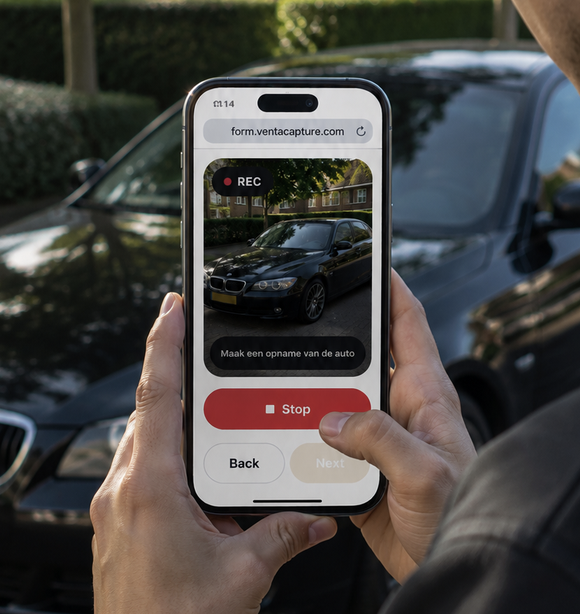
The gap between identified and sold is mostly a trust gap, and that is the practical case for video. With Venta Video the technician records a short clip of the worn part on a phone, the customer receives it as a branded page over SMS, WhatsApp or email with approve, book and pay buttons, and the decision on identified work is made while looking at the evidence rather than at a total.