
Thorough examination, defined: a systematic and detailed examination of lifting equipment, carried out by a competent person under LOLER Regulation 9, that ends in a written report on the condition of the equipment.
A thorough examination is the statutory examination of lifting equipment required by Regulation 9 of the Lifting Operations and Lifting Equipment Regulations 1998. It is carried out by a competent person, covers the parts of the equipment whose failure could cause danger, and may include testing where the competent person judges it necessary. The Pressure Systems Safety Regulations 2000 use the same phrase for pressure vessels examined under a written scheme, with the same character: a formal assessment by an independent expert, ending in a written report.
The term is precise for a reason. LOLER separates the examination from the everyday checks operators do, and from servicing, because each answers a different question. Blurring them is how a site ends up with a full folder of paperwork and no legal record.
What a thorough examination covers
The competent person decides the scope for the type of equipment, but the examination is expected to reach every part on which safety depends. For a crane that means the structure, the hook, the wire rope, the brakes and the limit switches. For a forklift it is the mast, the carriage, the fork arms and heels, the lift chains and the hydraulics. Where a visual and functional check is not enough, the examiner can call for a load test, a non-destructive test or a strip down.
The output is prescribed. Under Regulation 10 and Schedule 1 the report must identify the equipment, the employer and the premises, state the safe working load, give the date of the examination and the date the next one is due, list any defect that is or could become a danger, and describe any tests carried out. If a defect poses an existing or imminent risk of serious personal injury, the competent person must send a copy of the report to the enforcing authority, the HSE or the local authority depending on the premises.

Who counts as a competent person
LOLER does not define competence by qualification. The HSE guidance describes a competent person as someone with enough practical and theoretical knowledge and experience of the equipment to detect defects and assess how they affect continued safe use, and expects them to be independent and impartial enough to make objective decisions. In practice most duty holders use an engineer surveyor from an inspection body or the insurer. An in-house person can be competent, but should not be the person who maintains the equipment day to day. See inspector competence.
Thorough examination versus inspection versus servicing
- Thorough examination: the competent person's assessment of condition, at the intervals Regulation 9 sets (6 months for equipment lifting people and for accessories, 12 months for other lifting equipment, or per a written scheme) and after exceptional circumstances. Output: a Schedule 1 report.
- Inspection: the intermediate visual inspection or functional check by the operator or a supervisor, at intervals the risk assessment sets. Output: a completed check sheet. Required where the risk assessment identifies it, but it is not the examination.
- Servicing: planned maintenance by the supplier or a contractor to keep the equipment in good repair, which PUWER Regulation 5 requires. Output: a service record and an invoice. A service visit does not examine anything for the purposes of LOLER and does not produce a report the regulations recognise.
The confusion usually runs one way. A site assumes the annual service counts, or takes the operator's daily sheet as evidence that the equipment is examined. Neither is true. The three records sit side by side and each has to exist.
Thorough examination example: a chain sling on a fabrication site
A steel fabricator holds a rack of four-leg chain slings used with an overhead crane. The slings are accessories, so they fall on the 6 month cycle. During the examination the surveyor finds one leg with a stretched link and a hook whose safety latch no longer closes. The report records both defects, states that the sling must be withdrawn from use, and lists the other slings as satisfactory with the next examination due in six months. The rigger cuts the tag off the failed sling and quarantines it. The report and a note that the sling has been scrapped go into the register.
What it is not: a certificate
The document the competent person issues is a report of thorough examination. It is not a certificate, although sites and even some inspection bodies call it one. A certificate implies the equipment is warranted safe until a future date; a report states the condition found on the day and the date by which the next examination is due. If the equipment is overloaded the day after, the report says nothing about its safety. Only new equipment carries a certificate, the manufacturer's declaration of conformity, and even that does not replace the first thorough examination where safety depends on installation.
Where the report is kept
Regulation 11 requires the report to be kept available for inspection: a periodic report until the next one is made or two years, whichever is later; a first-use report for as long as the equipment is used at that place; an accessory report for two years. Most duty holders keep the reports with the asset register and the inspection reports from the intermediate checks.
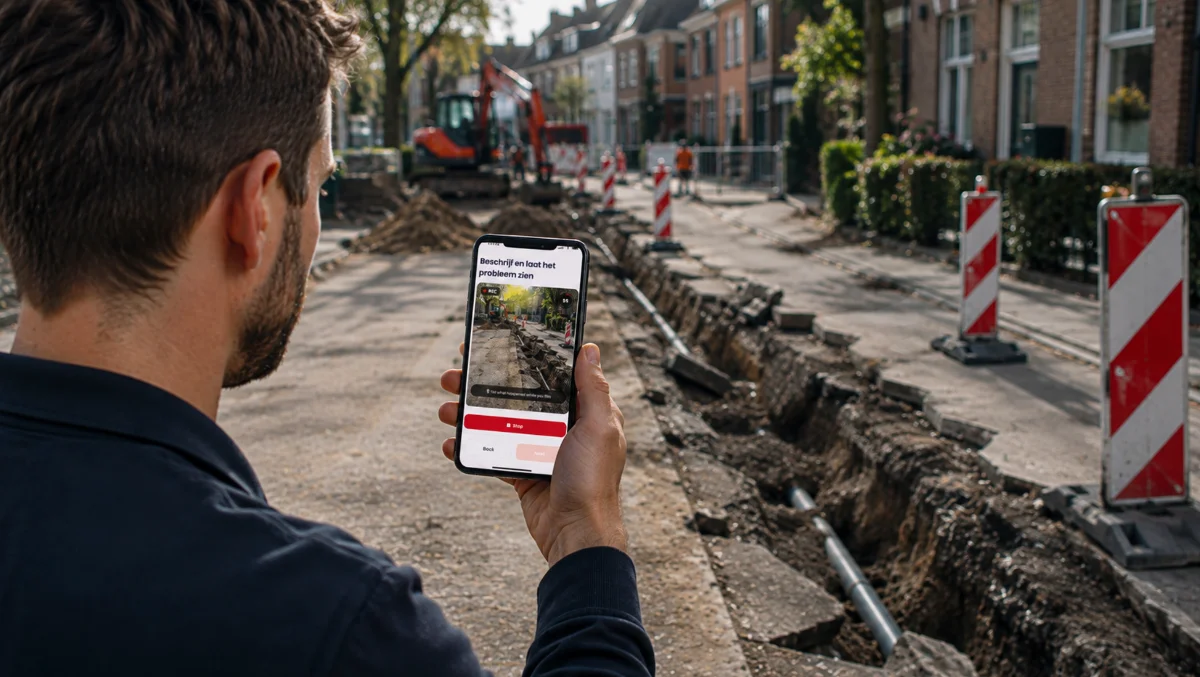
Remote capture cannot perform the examination; the competent person has to be on site with the equipment. Where it helps is around the edges: the operator photographs the defect that triggered an early call-out, or sends the data plate and the last report so the surveyor arrives prepared. With Venta Capture, a product of VentaVid, the person on site is sent a link, follows guided steps in the mobile browser with no app, and the submission arrives timestamped and sealed for review. See the Venta Capture pages.
In practice: see how field service teams use Venta Capture.