

The short version.
- The problem: most digital service intake tools digitize the desk, not the information. The write-up still starts with a customer describing a noise from memory.
- The fix: guided pre-visit capture. The customer films the concern on their own phone before arrival, guided step by step, and it lands as a structured case in your inbox.
- Who this is for: service managers and aftersales managers who want the morning rush triaged before the first car reaches the lane.
Monday, 7:40 a.m. Six cars in the lane, two advisors, and a fresh RO that reads "customer states vehicle makes noise when cold."
The customer is late for work. The noise won't perform on demand. And the technician who picks the job up at 10:15 starts from zero, because everything anyone knows about that car is one sentence of secondhand description.
Digital service intake is supposed to fix this. Most of what gets sold under that label doesn't, because it digitizes the clipboard instead of the information.
Most service managers we talk to don't have a traffic problem, they have a 7:30 a.m. information problem: cars arriving at the dealership faster than anyone can find out what's wrong with them. We build guided capture for exactly that gap. Start a free account and send yourself a test capture link before your next morning rush.
What counts as digital service intake
Digital service intake means capturing three things in structured digital form before the advisor writes the repair order: who the customer is, which car it is, and what the concern is. The first two are easy. Booking tools and DMS lookups handle name, VIN, and history fine.
The third is where intake breaks. Digital service intake is only as good as the information it captures, and a kiosk captures a queue, not a car. Tablets, lounge kiosks, and online forms move the typing around, but the concern itself still arrives as a description the customer produces from memory, at a counter, with a queue behind them.
The numbers say the desk is already past capacity. CDK Global's survey of more than 2,500 service customers found 64% still book service by phone, waiting an average of 8.2 minutes on hold to do it. And Numa's analysis of over 600 franchise dealerships found half of all appointment-related calls land between 8:00 and 11:30 a.m., exactly when advisors are buried in the lane.
That's the test worth applying to any intake tool: does the concern arrive as information a technician can act on, or as a sentence someone typed?
Why write-ups start from zero
The chain most concerns travel looks like this:
- The customer notices something, and days later describes it over the phone or at the counter.
- The advisor compresses that description into a "customer states" line.
- The technician reads the line and goes hunting.
Every hop loses detail. "A clunk from the front left over speed bumps, only when cold" becomes "noise from front." Which tech gets the job, which parts get staged, and whether a loaner is needed all get decided off that compressed sentence.
Intermittent faults make it worse. The warning light that's been on for a week clears the morning of the appointment. The cold-start rattle won't rattle at 2 p.m.
The write-up ends in the three words every service manager dreads. "Cannot duplicate concern" is the most expensive line in the workshop, because it means the diagnostic clock has to start twice.
I went down the owners'-forum rabbit hole while researching this post, and the same thread repeats on every marque: "dealer couldn't duplicate the noise," followed by replies telling the owner to film it next time and show the video at the desk. The workaround already exists in the wild. It's just unstructured, unprompted, and it arrives (if it arrives at all) as a shaky 4-minute clip on someone's phone at the counter.
The cost of all this shows up well beyond the shop:
- Cox Automotive's 2025 Service Industry Study of 1,974 vehicle owners found 45% are dissatisfied with their dealership service experience, mostly over unexpected costs and poor communication.
- The same study found dealerships now handle 12% fewer service visits than they did in 2018.
- Numa's dealership data points the same direction: poor communication features in 41% of negative Google reviews.
Pre-visit capture: let the customer show you
There's a simpler route: stop asking customers to describe the problem and guide them through showing it. That's what Venta Capture, a product of VentaVid, is built for. It works in three steps:
- Send a link. When the appointment is booked, the customer gets a capture link by SMS, WhatsApp, or email. No app to install, no account to create; it opens in the phone's browser, in any of 15 languages.
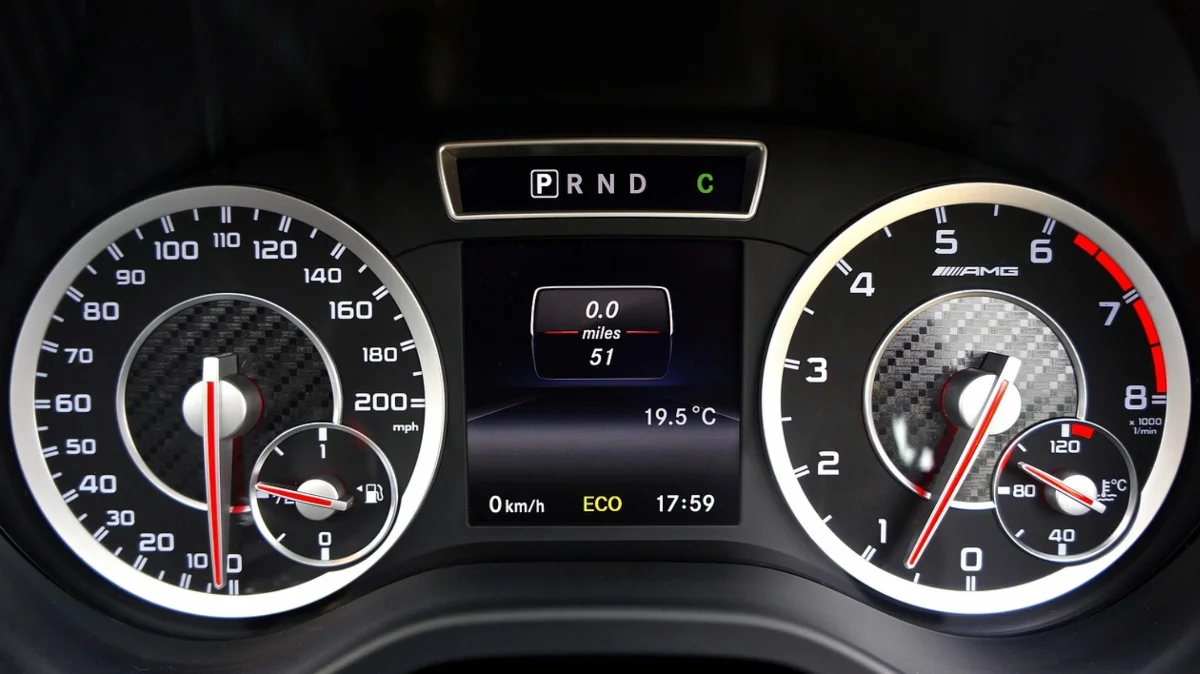
- Guided capture. The customer records video and photos step by step: walk around the car, show the dashboard, film the noise on a cold start, zoom in on the leak, answer two or three questions. They explain what they hear while recording, and the spoken explanation is transcribed into the case.
- Review before arrival. The submission lands in a shared inbox as one structured case: footage, answers, transcript, and timestamps together. Your team reviews it when the lane is quiet, assigns it, or requests a targeted retake ("show the left front wheel again, from further back").
The point of the guided part is who decides what gets captured. Customers don't know what a technician needs to see; your best advisor does. With the flow builder, that advisor's checklist becomes the capture journey itself, so the right footage arrives the first time.
And it's not a video call. A live call solves travel, but two calendars still have to line up, and nobody at your store has a free calendar at 8 a.m.
Guided capture is asynchronous. The customer films the cold-start rattle at 7 a.m. in their own driveway (the only place it ever rattles), and your team reviews it at lunch. Send now, capture later, review when ready.
Three ways a concern can reach the write-up:
The dealership use-case page walks through the automotive flows in detail: service intake, warning lights, visible defects, and condition capture before the car ever reaches you.

What changes on Monday morning
The obvious win is the lane itself. When the case arrived Friday, Monday's write-up becomes a confirmation of what your team already saw. But the bigger wins sit behind the counter:
- Dispatch gets smarter. The team hears the actual noise before allocating the job, so the driveability concern goes to the driveability tech instead of whoever is free.
- Parts get a head start. A visible worn part or a filmed leak means parts can be staged before the car arrives instead of ordered at 11 a.m.
- "Cannot duplicate" gets rarer. The intermittent fault is on film, captured in the conditions where it happens. The tech starts from evidence instead of a sentence.
- The schedule gets honest. A two-minute review tells you whether this is a 45-minute job or a keep-the-car job, before you promise a wait time.
To be clear about what the tool does and doesn't do: the capture doesn't diagnose anything. Your team does. It just means they diagnose from footage and a transcript instead of from "makes a noise sometimes."
Teams using Venta Capture report 47% fewer inbound support calls per month, because a guided link answers the questions a phone call used to. On the same platform, 4 out of 5 issues are handled and closed the same day they arrive. For a service desk fielding calls it never manages to return, that's the difference between chasing information and reviewing it.
Put example numbers on the morning (they're illustrative; swap in your own):
- Two advisors write 28 ROs on a Monday, and nine of those arrive as vague concern lines.
- Each vague line costs six to eight minutes of counter questioning to untangle.
- That's roughly an hour of advisor time burned in the worst window of the week, before anyone has fixed anything.
There's a paper trail benefit too. Each submission is sealed on receipt: a server-side timestamp records when it arrived, and a digital fingerprint lets you check later that the file hasn't changed. That won't tell you when the damage happened (only when you received the footage), but for goodwill decisions, warranty submissions, and "that scratch wasn't there" conversations, a timestamped visual record beats a memory contest.
And retention math makes early visibility worth real money. Cox Automotive found only 54% of owners with cars two years old or newer return to their selling dealer for service, down from 72% in 2023, while 74% of owners who service at the dealership say they're likely to buy their next car there. Fewer "couldn't duplicate, please rebook" visits is exactly the kind of friction that keeps those numbers from sliding.
One boundary worth naming: pre-visit capture covers the customer showing you the car before arrival, while the technician-filmed video health check is the complementary step after arrival, when your team shows the customer what they found.
Want to see a capture flow built on your own intake process? Book a 15-minute demo and bring your ugliest "customer states" line.
How to roll it out without breaking the lane
Don't digitize all of intake on day one. Start where descriptions fail hardest:
- Pick one concern type. Intermittent noises and warning lights are the natural first flow; they're the write-ups that start from zero today.
- Build the flow from your best advisor's questions. The walkaround order, the "film the dash with the engine running" step, the two questions that narrow a diagnosis fastest. That knowledge becomes the guided journey.
- Attach the link to the booking confirmation. The capture invitation rides along with the SMS or email the customer already gets. No new touchpoint needed.
- Review in the shared inbox, and use retakes. If the footage misses the wheel you needed, request exactly that clip instead of writing the case off.
- Wire it into your systems. Cases connect to your DMS or CRM through the REST API and webhooks, so the capture feeds the RO instead of living in a separate tool.
- Measure two things. Counter minutes per vague concern, and the share of concern ROs triaged before arrival. If those don't move in a month, stop.
The adoption worry is smaller than it looks. A skipped capture simply means that visit runs like today's process, and nothing about the appointment changes. The link is an offer, not a gate.
And keep the after-arrival side of the story strong too. Pre-visit capture gets the right information in; video for your service department gets approvals out, which is where repair sales are won. Start with one flow, one concern type, and one advisor who already asks the right questions.
Frequently asked questions
What is digital service intake?
Digital service intake is capturing the customer, the vehicle, and the concern in structured digital form before the repair order is written. Done well, it starts before arrival: the customer shows the issue on their own phone through a guided capture flow instead of describing it at the counter.
Does the customer need to install an app?
No. The capture link opens in the phone's browser, with no app and no account, and guides the customer step by step in their own language. That's the main reason completion doesn't depend on tech-savvy customers.
What if a customer doesn't complete the capture?
Then intake works exactly the way it does today, and the advisor writes the concern up at the counter. Nothing about the visit breaks; the captures you do receive are pure gain for triage and dispatch.
Is this the same as a digital vehicle inspection (DVI)?
No, it's the opposite direction. A DVI is your technician filming the car after arrival to show the customer what needs approving, while pre-visit capture is the customer filming the concern before arrival to show your team what's wrong. Strong service departments run both, as separate steps in one aftersales video strategy.
Can we trust what a customer submits?
Footage is recorded live inside the guided flow rather than uploaded from the gallery, and each submission is sealed on receipt with a server timestamp and a digital fingerprint. That makes the material more structured and verifiable, though it doesn't make deception impossible: the timestamp proves when you received it, and your team still makes every judgment call.
Does it connect to our DMS or CRM?
Yes. Venta Capture has a REST API, webhooks, and auto-forwarding, so a reviewed case can push into the systems your write-up already lives in. Teammates without a login can be sent view links to a case.
What does Venta Capture cost?
Pricing isn't public, but you can start with a free account with no credit card required, build a flow, and send real capture links before committing to anything.
Talk to us
If your mornings start with six cars, two advisors, and a stack of one-sentence write-ups, the fastest way to judge this is to run one real concern through a capture flow and watch what your dispatcher does with the result.
What it takes to start.
- Free account, no credit card required, so you can build a service intake flow and send a real capture link today.
- Nothing for customers to install. The link opens in their phone browser, guided step by step.
- Your process stays yours. If a customer skips the capture, intake simply runs the way it does now.
A real person from the VentaVid team sets up the first capture flow with you.
Start a free account or book a demo and we'll build it around your service drive.