
What is a loss adjuster: loss adjusting explained
A loss adjuster is an independent claims professional, appointed and paid by the insurer, who investigates a larger or more complicated claim: establishing the cause and extent of the loss, testing it against the policy, and reporting back with a recommended settlement. The title is standard in the UK, Ireland, Australia and much of Asia and the Middle East.
For insurers
See the damage before you send anyone
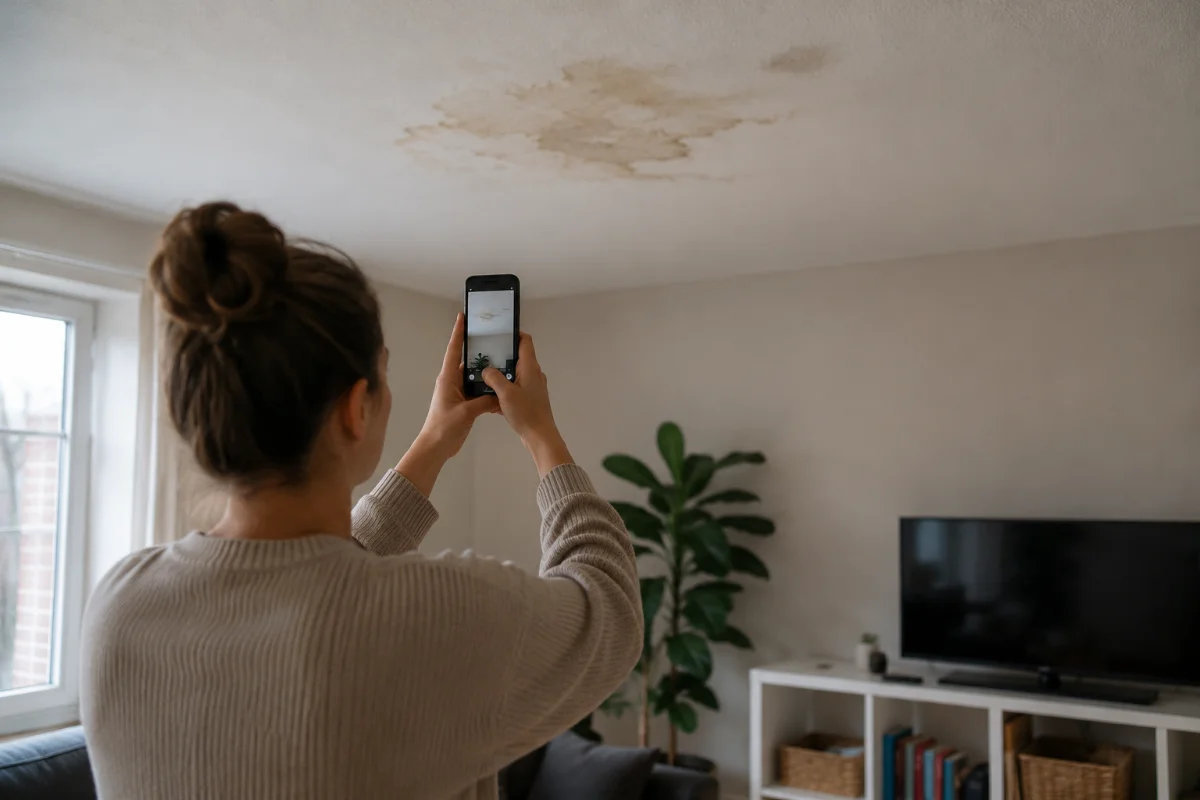
Venta Capture, a product of VentaVid, sends the policyholder a link. They film the damage on their own phone, guided step by step, and the evidence lands with the claim.
Independent carries a specific meaning here. The adjuster is instructed by the insurer and invoices the insurer, but the professional obligation is to report what the evidence shows, including when the evidence favours the policyholder.
What does a loss adjuster do?
- Attends the loss: inspects the site, the building, the vehicle or the machinery, and records the damage while it still exists.
- Establishes cause: what failed, when, and whether the sequence of events matches the account given.
- Scopes and values: the repair, the reinstatement, the contents, and any business interruption that follows.
- Tests the policy: cover, conditions, warranties, underinsurance, and whether an average clause applies.
- Manages mitigation: authorising drying, boarding up, temporary repairs, or alternative premises so the loss stops growing.
- Flags what needs specialists: fraud indicators for referral, a forensic engineer for a failure, or a recovery worth pursuing against a third party.
- Reports: a written recommendation the insurer can act on, and that will hold up if the claim is later disputed.
When is a loss adjuster appointed?
Most claims never see one. Small motor and straightforward household claims are settled by the handler, often against images and an estimate. An adjuster is instructed when the file needs judgement in person:
- Value: the claim sits above the insurer's threshold for desk settlement.
- Complexity: business interruption, contract works, multiple parties, or a technical failure.
- Disputed cause: gradual damage against a sudden event, or a claim the policy may not cover at all.
- Fraud indicators: something in the account, the documents or the images warrants a look on site.
- Recovery potential: evidence needs preserving now if the insurer intends to pursue the party that caused it.
Loss adjuster vs loss assessor
These two get swapped constantly, and the difference is who pays. A loss adjuster acts on the insurer's instruction. A loss assessor is engaged by the policyholder to prepare and present their claim, usually for a fee or a share of the settlement, and in the UK firms doing that work for consumers fall under the Financial Conduct Authority's claims management regime.
Neither is a neutral referee, and it is worth being straight with customers about that. The adjuster's duty is to the evidence and to professional standards, not to the policyholder's outcome. In North America the equivalent pairing is the independent adjuster and the public adjuster.
Loss adjuster example: escape of water in a restaurant
A pipe joint fails above a restaurant kitchen on a Friday evening. The building damage looks modest, but the kitchen is out of use and the business interruption exposure is the real number.
The adjuster attends on Monday, photographs and retains the failed joint rather than letting the plumber skip it, authorises emergency drying so the kitchen can reopen sooner, and records the closure period with evidence rather than assertion. Keeping that joint is what preserves any later recovery against whoever installed it.
How the role differs from an adjuster and a claims handler
- Against a claims handler: the handler owns the file end to end and instructs the adjuster. The adjuster owns the investigation and hands back a recommendation, then usually leaves the file.
- Against a US adjuster: the American term covers both jobs. A staff adjuster inside a carrier does much of what a UK claims handler does; a field or independent adjuster does much of what a loss adjuster does.
- Against a surveyor or engineer: they answer one technical question. The adjuster carries the whole claim decision, technical evidence included.
Qualifications and chartered status
The professional body in the UK is the Chartered Institute of Loss Adjusters, which was granted a royal charter in 1961 and sets the examinations, the code of conduct and the continuing development requirements for the profession. Members hold graded designations, and Chartered Loss Adjuster status sits on top of the qualifying grades for those who meet the experience and conduct requirements.
Where the work is going is fairly clear: not fewer adjusters, but fewer journeys per decision, with attendance concentrated on the losses that genuinely need it. That is the argument set out in virtual inspection vs physical inspection, and the mechanics of assessing from submitted material are in remote claim inspection. What makes that material safe to rely on is covered under evidence integrity.
Venta Capture, a product of VentaVid, sits on that first step: the policyholder gets a link, is guided through exactly what to record, and the submission arrives as a structured, timestamped case rather than four loose photos. It does not assess the loss. It gives the adjuster enough to decide whether this is a file that needs a visit, and to arrive better informed when it is.
In practice: see how insurers use Venta Capture for remote claim inspection.