
PUWER inspection, defined: the inspection of work equipment under Regulation 6 of the Provision and Use of Work Equipment Regulations 1998, carried out by a competent person after installation, at suitable intervals and after any event that could affect safety, with the result recorded.
A PUWER inspection is the check Regulation 6 of the Provision and Use of Work Equipment Regulations 1998 requires for work equipment whose safe use depends on its condition. PUWER applies to almost every piece of equipment used at work in Great Britain, from a bench grinder to a bottling line, and Regulation 6 targets the subset where deterioration or a bad installation could lead to a dangerous situation.
The regulation is broad on purpose. It does not list equipment or set fixed intervals; it puts the duty on the employer to work out, from the risk assessment, which equipment needs inspecting, how often, how thoroughly and by whom. That flexibility is why many PUWER inspections are done badly.
What Regulation 6 requires
Regulation 6 has three triggers:
- After installation and before first use, or after assembly at a new site or location, where the safety of the equipment depends on the installation conditions. A fixed guillotine, an extraction system or a machine that has to be levelled and anchored falls here.
- At suitable intervals, where the equipment is exposed to conditions causing deterioration that could result in a dangerous situation. Weather, corrosion, vibration, heavy duty and wear all count.
- After exceptional circumstances that could jeopardise safety: a modification, a collision, a fire, a flood, a long period out of use.
The result of each inspection must be recorded and kept until the next inspection is recorded. Where equipment leaves the undertaking, or is used at another site, it must be accompanied by physical evidence that the last inspection took place. That is the origin of the inspection tag on hired plant and on ladders and scaffold towers.

Visual versus functional inspection
The HSE guidance is explicit that the extent of the inspection should match the risk. At one end is a visual inspection: guards in place and undamaged, cables and hoses intact, no leaks, warning labels legible, emergency stops present. At the other end is a functional test: the interlock stops the machine when the guard opens, the emergency stop cuts power, the brake holds, the overload trip operates. Many PUWER inspections are a combination, and for some equipment the inspection edges into the kind of detailed examination LOLER calls a thorough examination. The regulation uses the single word inspection for all of it; the risk assessment decides how far it goes.
A pre-use check by the operator is a separate, lighter thing. Regulation 6 inspections are expected to be more searching than a daily glance. The pre-start check feeds the inspection regime; it does not replace it.
Who is competent to inspect under PUWER
PUWER uses the same test as LOLER: a competent person has the knowledge, experience and training needed to detect defects and decide whether the equipment is safe to continue in use. Unlike LOLER, there is no expectation of independence for most equipment, so a trained supervisor, a maintenance fitter or a specialist contractor can all be competent for the right piece of kit. What matters is that the competence matches the equipment. A fitter who knows conveyors is not automatically competent to inspect a woodworking machine's braking system. The entry on inspector competence covers what the training records should show.
PUWER inspection example: a site compressor after a flood
A construction site loses a week to flooding. The diesel compressor that feeds the breakers stood in a metre of water. The plant manager treats this as an exceptional circumstance under Regulation 6 and does not let the machine restart until a fitter has inspected it. The fitter checks the engine and receiver visually, drains the receiver and inspects it for silt and corrosion, tests the pressure relief valve and the emergency stop, and records the findings on the site's inspection form with photos. Because the receiver is also a pressure vessel, the plant manager checks whether its written scheme under the Pressure Systems Safety Regulations 2000 needs the competent person involved first. The record goes into the plant file and the compressor is tagged with the date.
What a PUWER inspection does not do, and the mistakes teams make
Regulation 6 does not prescribe a report format, does not notify the enforcing authority of defects, and does not set intervals. That makes it easy to under-do. The common failures: treating the annual service as the inspection when the service does not test the safety functions; setting one blanket interval for all equipment regardless of duty; inspecting only the equipment that already has a tag; and recording OK with no detail, so nobody can tell what was looked at. The opposite failure is assuming lifting equipment examined under LOLER needs nothing else, when PUWER still governs its guarding, controls and maintenance.
Where the record goes
Each inspection result is recorded and kept at least until the next one. Most sites hold the records against the asset register, with the risk assessment that set the interval and the training record of the inspector. The related terms LOLER inspection, thorough examination and statutory inspection describe how PUWER fits with the regulations alongside it.
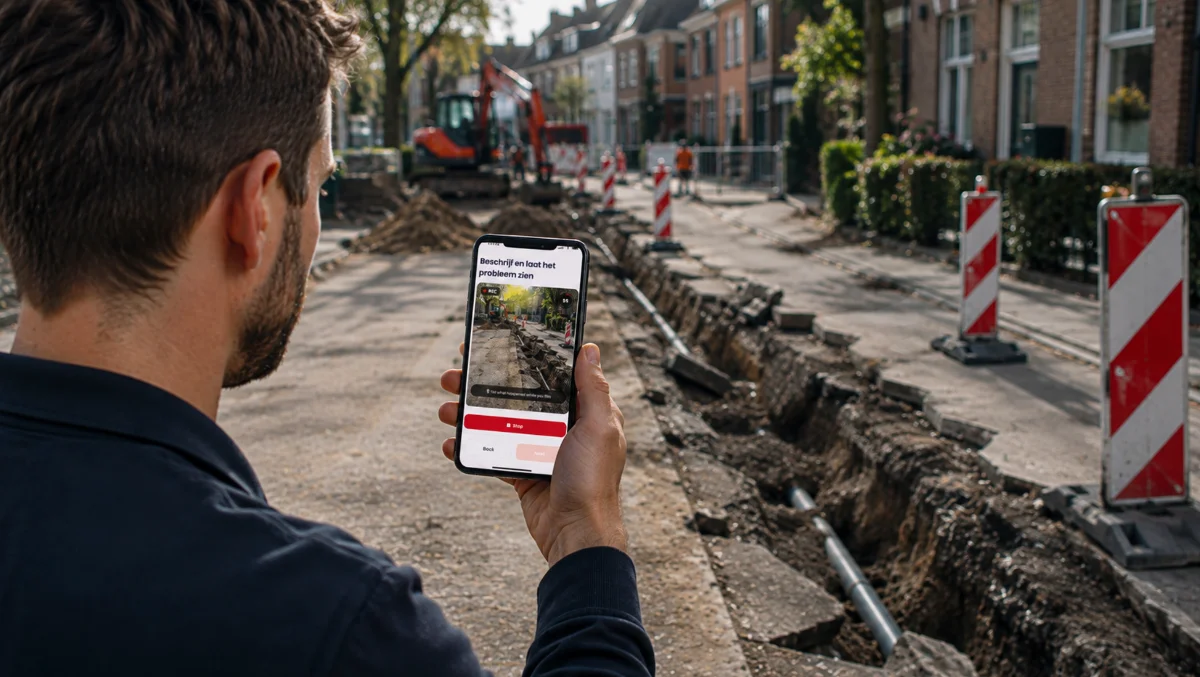
Remote capture does not replace the inspection; the competent person has to be at the machine to test the interlocks and stops. What it can carry is the evidence around it: the operator's pre-use check with photos of the guards and the stop button, a video of the defect that took the machine out of use, or a walk round of hired plant on arrival. With Venta Capture, a product of VentaVid, the operator or contractor is sent a link, follows guided steps in the mobile browser with no app, and the submission arrives timestamped and sealed for review. See the Venta Capture pages.
In practice: see how field service teams use Venta Capture.