
Scaffold inspection, defined: a competent person's examination of a scaffold before first use, after alteration or a stability event, and at least every seven days, recorded in a written report.
A scaffold inspection is the examination of an erected scaffold by a competent person to confirm it is safe to work from: ties, bracing, boards, guardrails, toe boards, access, base plates and sole boards, all checked against the design and the site conditions. In Great Britain it is a legal requirement under the Work at Height Regulations 2005.
The definition matters because the seven-day interval is only one of four triggers, and because the inspection is not the same as the scaffold check a supervisor or user makes before the crew climbs on in the morning. Regulation 12 requires a working platform from which a person could fall 2 metres or more to be inspected before it is used for the first time, after any substantial alteration, after any event likely to have affected its strength or stability (high winds, a vehicle strike, a flood), and in any case at intervals not exceeding seven days. Schedule 7 of the same regulations sets out what the written report must contain, and the report has to be completed before the end of the working period in which the inspection was done and given to the person it was carried out for within 24 hours. Reports are kept on site until the work finishes and then for three months.
Who is a competent person for scaffold inspection
The regulations do not name a qualification. Competence means enough training, knowledge and experience to recognise the risks and defects in the type of scaffold in front of them. On UK sites that usually means a person holding a recognised scaffold inspection qualification (CISRS scaffold inspection training is the common route), an advanced scaffolder, or a site manager who has been trained for basic tube-and-fitting or system scaffolds. A site supervisor with no scaffold training is not competent to sign the seven-day report. See inspector competence.

What the inspection covers and what the report must say
The inspector works from the ground up: sole boards and base plates on firm ground, standards plumb, bracing complete, ties at the specified pattern and none removed, boards fully supported with no traps, guardrails and toe boards at every lift, brick guards where materials are stacked, ladder access secured, loading bays within capacity, and signage in place. Schedule 7 requires the report to record the name and address of the person for whom the inspection was carried out, the location and description of the scaffold, the date and time, any matter identified that could give rise to a risk, the action taken, any further action considered necessary, and the name and position of the inspector.
Scafftag versus the report
A scafftag is a holder fixed at each access point, showing green with the date of the last inspection and the inspector's name when the scaffold is safe to use, and red or with the insert removed when it is not. A bricklayer arriving at 7am can tell at a glance whether to climb. It is not the record. A scaffold with a green tag and no report behind it fails the regulations, and a scaffold with a full set of reports and a missing tag leaves users guessing. Both are needed.
Scaffold inspection example: a displaced board after a storm on a housing refurbishment
An independent scaffold runs the length of a terrace being re-roofed. Overnight winds tear the debris netting and leave a brick guard on the third lift hanging loose. That is an event likely to have affected the scaffold, so the seven-day clock is irrelevant: it needs inspecting before anyone goes up. The tags are turned to red. The inspector finds the brick guard, a displaced board at the ladder access, and one tie that has pulled from a window reveal. Each is photographed, the scaffolders repair, the inspector re-checks and signs the report with the defects, actions and time. The tags go back to green by mid-morning, and the file now shows what was found, what was fixed and when the roofers were allowed back.
What a scaffold inspection does not do
It does not approve the design. A scaffold outside the standard configurations needs a design, and the inspector checks the scaffold against it rather than deciding whether the design is right. It does not replace the handover certificate from the scaffolding contractor, and it does not replace the users' own check before climbing: a plasterer who finds a board missing at 7am should not be waiting for Friday's inspection.
The mistakes: inspections done from the ground, tags dated without a report, "no defects" written for weeks on a scaffold everyone knows has had ties removed for window installation, and reports that cannot be found when the enforcing authority asks for them.
Where the record goes
The report stays on site while the scaffold stands and for three months after the work ends. Keep it per scaffold, in date order, with the design and handover certificate. Photographs of ties, board ends, guardrails and every defect give the report the inspection evidence that a handwritten "satisfactory" never carries, and a timestamp on each photo answers the question of whether the inspection happened before the crew went up or after. The wider duties around platforms, ladders and edge protection are in working at height inspection.
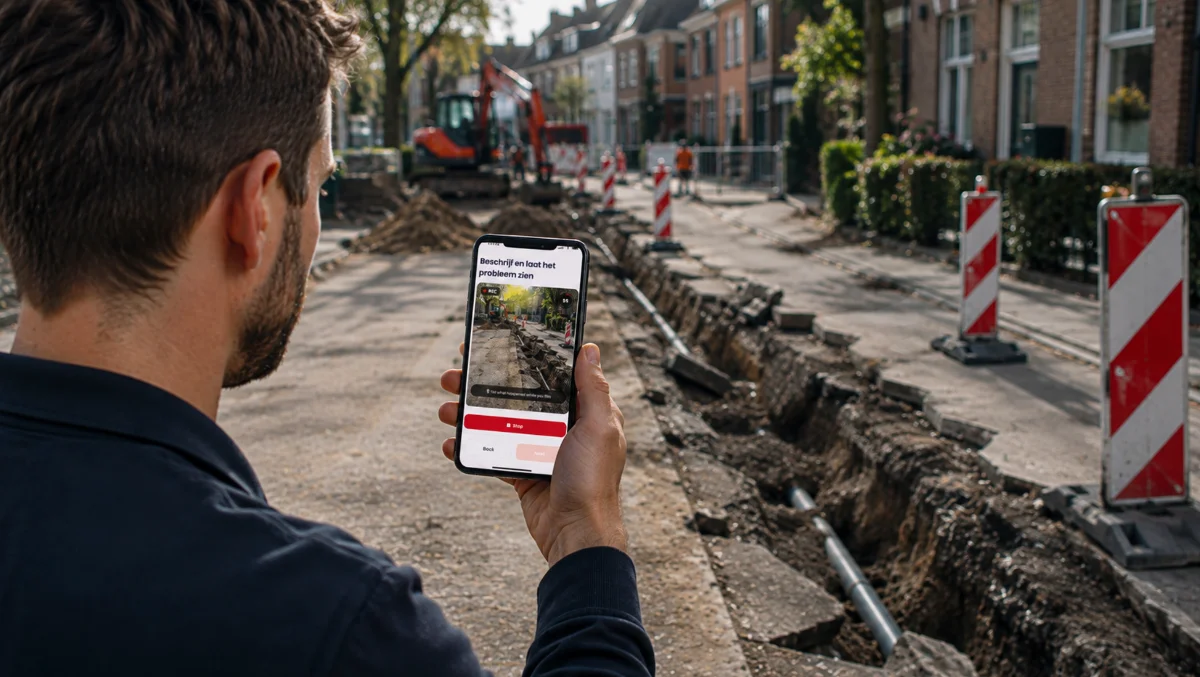
Venta Capture, a product of VentaVid, runs the inspection as a guided flow: the inspector, or the supervisor doing the daily check, scans the QR code on the scafftag or opens a link, works through the lifts and the Schedule 7 items step by step on their own phone in the mobile browser with no app, photographs each item and defect where the flow asks, and the submission arrives timestamped and sealed in the review inbox for the site manager and the principal contractor. See the Venta Capture pages.
In practice: see how field service teams use Venta Capture.