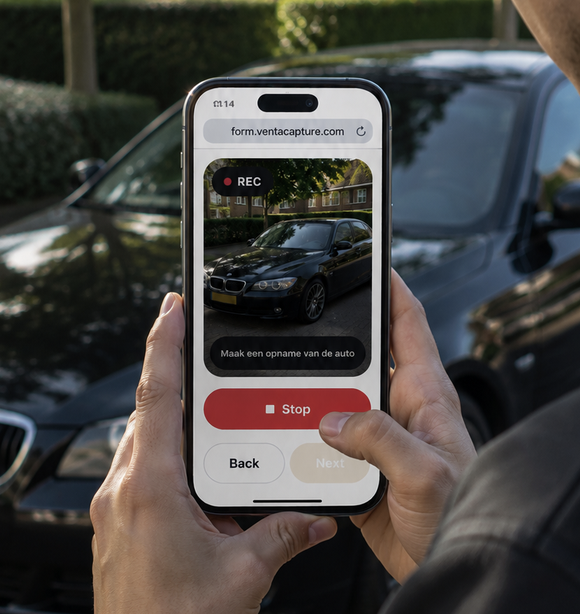
What is the service lane: the drive-in reception of a dealership service department, where the vehicle is received, walked around and written up before it goes to a technician.
The service lane is the covered drive-in area of a dealership where customers arrive for service, meet the advisor and have their vehicle checked in and written up before it goes to the workshop. It is a place first and a process second, and in the last decade it has become the name of a category of software as well.
Service lane is the North American term. UK and Irish dealers say service drive, service reception or drive-through reception for the same thing, and manufacturers' retail standards often specify how many lanes a site must have. Whatever the label, it is the ten minutes that decide how the rest of the visit goes.
What happens in the service lane
- Arrival. The customer drives into a lane, is greeted by name where the booking allows it, and the vehicle registration is matched to the appointment.
- Walkaround. The advisor walks the car with the customer, notes existing damage on all panels and wheels, checks mileage and fuel, and asks about anything the customer has noticed. The damage record protects both sides; see check in report.
- Write-up. The customer's concerns are recorded in their own words, the booked work is confirmed, menu items and any campaign or recall work are offered, and the estimate and collection time are agreed.
- Authorisation. The customer signs, on paper or a tablet, for the work and the terms.
- Dispatch. The keys and job card go to the dispatcher or shop foreman and the car is loaded into the workshop.
The lane is also where the customer is told what will happen next: that a vehicle health check will be done, that anything found will be sent to them with prices, and how they will be contacted. Advisors who set that expectation at check-in get faster answers later in the day.
Service lane technology
Service lane software means the tools that run the check-in process on a tablet or phone rather than at a desk. In practice the category covers:
- Appointment lookup and licence plate or VIN recognition on arrival.
- A tablet walkaround with photos of each panel and a damage map.
- Menu presentation based on mileage and vehicle history, with recall lookups.
- Electronic signature for authorisation and the terms of business.
- A link into the DMS so the repair order is open before the customer leaves the lane.
- Self check-in kiosks and key drops for customers who do not want to wait.
Downstream of the lane, the same vendors usually sell the electronic vehicle health check and the customer messaging that go with it, which is why the whole visit sometimes gets called the service lane process even though most of it happens in the workshop.
Service lane example: a Tuesday morning at a two lane site
A franchised site with two lanes and three advisors takes 34 bookings between 07:30 and 09:30. The first advisor greets each car in the lane with a tablet, photographs the four corners and the alloys, and records one customer's note that the car pulls left under braking. That note goes onto the job card verbatim. The customer is told a health check will be done and that any findings will arrive on their phone with prices, and is asked which number to send them to.
By 08:10 the car is in the workshop. At 09:40 the technician's check confirms a seized rear caliper on the left, which explains the pull. Because the advisor asked for a mobile number and set the expectation in the lane, the finding goes out straight away and the approval comes back before the technician has moved to the next car. The lane did not fix the caliper, but it set up the fastest possible yes.
What the service lane is not
- Not the workshop. No repair work happens in the lane. Sites that let technicians pull cars into the lane to look at a fault block the reception for the next customer.
- Not the parts counter or the cashier. Payment and collection are a separate step, though the best sites bring the car back to the lane for the handover.
- Not a sales tool by default. Sales teams like to mine the lane for trade-in and upgrade prospects. It can work, but only after the service visit itself has been handled properly.
Mistakes teams make in the service lane
The common ones are all the same failure: rushing. A write-up done at the desk from what the customer said in the car park misses the concern that would have sold the diagnostic. A walkaround skipped because the lane is backed up ends in a damage dispute at collection. An advisor who does not ask for the mobile number or the preferred channel at check-in spends the afternoon leaving voicemails. The service advisor owns the lane, and the service manager owns the lane's staffing, which is where most of the rushing starts.
The record from the lane, the check-in photos, the signed authorisation and the customer's concern in their own words, sits on the repair order in the DMS and is what everyone refers back to if the day goes wrong.
The lane is also where a video visit starts. When the advisor has set the expectation and captured the right number, the technician's short video of the finding goes out from the phone with Venta Video as a branded page over SMS, WhatsApp or email, and the customer approves, books or pays from the page rather than from a callback.