
Contents claim, explained: what it covers and how it settles
A contents claim is a claim made under the contents section of a household policy for movable possessions at an insured address that have been damaged, destroyed, or stolen. Unlike a buildings claim it settles item by item rather than as one repair scope, so proof of ownership and value drives the timescale more than the damage does.
For insurers
See the damage before you send anyone
Venta Capture, a product of VentaVid, sends the policyholder a link. They film the damage on their own phone, guided step by step, and the evidence lands with the claim.
Contents claims arrive from a narrow set of causes. Theft and burglary, escape of water, fire and smoke, storm and flood, and accidental damage where the policy includes it.
What counts as contents?
The working test is the same one adjusters use. If you turned the house upside down, whatever falls out is contents and whatever stays put is buildings.
- Clearly contents. Furniture, clothing, electronics, kitchenware, books, tools, bicycles, and loose rugs.
- Clearly buildings. Walls, roof, floors, fitted kitchen units, bathroom suites, boilers, and built-in wardrobes.
- Disputed in practice. Fitted carpets, integrated appliances, garden furniture, and anything in a shed or garage. These vary by wording, so check the schedule rather than assume.
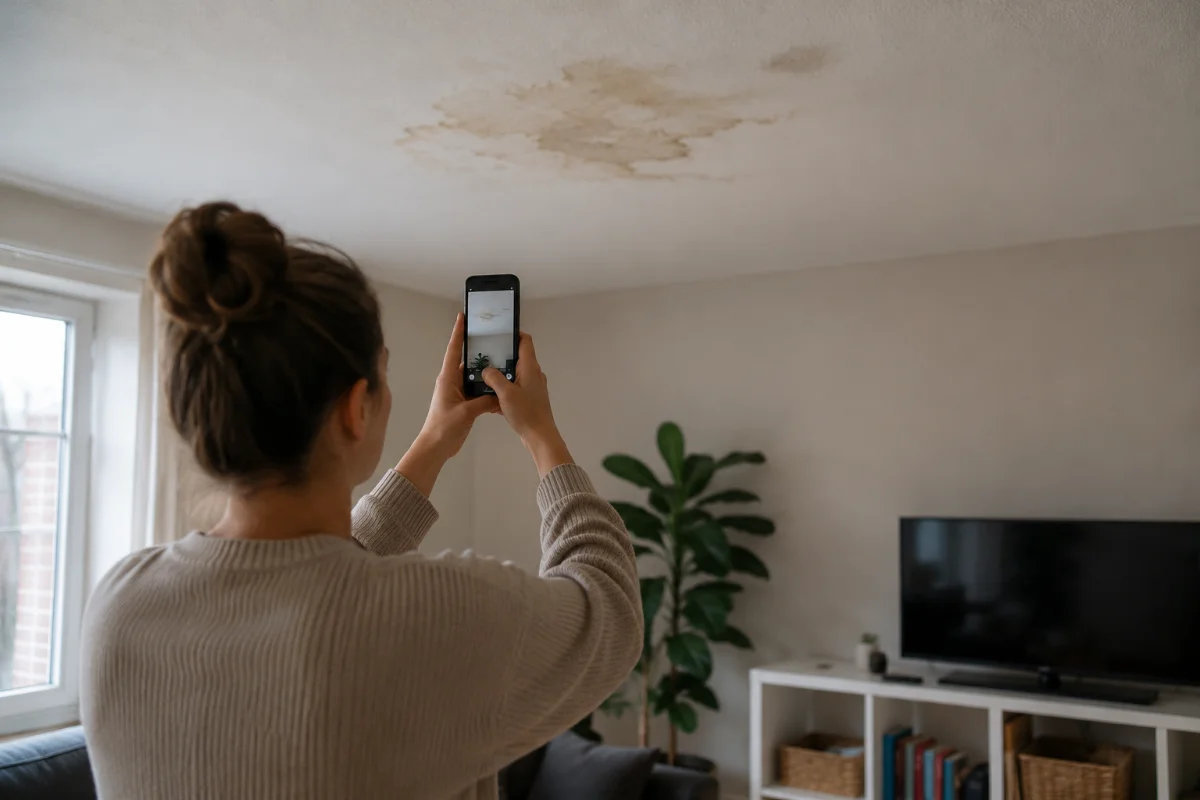
Most household losses cross the line. A ceiling collapse from a leak is buildings, and the sofa underneath it is contents, on one claim reference with two sets of evidence. The wider household process, including the buildings side, is set out in home insurance claim.
How does a contents claim work, step by step?
- Notification. The loss is reported with the cause, the date, and a first list of affected items. For theft, a police crime reference is needed, and most policies require the report within a stated window. See first notification of loss.
- Cover check. Is the peril insured, does the item fall inside contents, and does a single article limit or an unspecified valuables limit apply.
- The schedule of loss. The customer lists each item with make, model, age, purchase price, and where it was bought. This is the slowest stage on almost every contents claim.
- Proof of ownership and value. Receipts, bank or card statements, guarantees, photographs of the item in the home, valuations for jewellery and watches.
- Assessment. Desk based from images for most claims. A visit or a specialist valuer for high value items, large schedules, or where the account and the evidence do not reconcile. See claims validation.
- Settlement. New for old replacement, a supplier replacement or voucher, or a cash settlement net of any indemnity deduction, with the policy excess applied.
What evidence is normally required
- Damage or scene images. The room as a whole, then each damaged item, plus the point of entry for a theft or the source for water and fire.
- Serial numbers and identifiers. IMEI, serial plates, and hallmarks, both for valuation and for recovery if a stolen item resurfaces.
- Purchase evidence. Receipts, order confirmations, card statements, warranty registrations. Card statements are usually accepted where receipts are long gone.
- Existence evidence. Ordinary photographs showing the item in the home before the loss carry real weight for items with no paperwork.
- Valuations. Recent valuations for jewellery, art, and watches, particularly where a single article limit is close.
- Crime reference. Non-negotiable for theft, malicious damage, and vandalism.
Contents claim example: a break-in
A house is burgled while the family is away. A laptop, a games console, a camera, and two rings are taken, and the back door is forced.
Cover confirms immediately. The laptop and console settle within days because the customer has order emails and serial numbers. The camera was bought second hand with no paperwork, and settles on the strength of holiday photographs showing it in use plus a bank transfer to the seller. The rings sit for six weeks because one exceeds the single article limit and had never been specified on the policy, so only part of the value is payable. One incident, four items, four different speeds.
What typically slows a contents claim down
- The schedule of loss. Customers submit it in fragments, remember items later, and the claim reopens each time.
- Missing proof of ownership. Nobody keeps a receipt for a five year old television. Handlers who ask only for receipts create a dead end.
- Single article and category limits. Jewellery, bicycles, and cameras routinely exceed unspecified limits, and customers discover it during the claim rather than before.
- Indemnity disputes. New for old against wear and tear deductions on older items, argued item by item.
- Evidence cleared away. The forced door repaired and the water-damaged carpet skipped before anything was photographed.
- Retake loops. Dark, close-cropped photographs with no room context force another request, and each round costs days of customer response time.
Why proof of ownership carries the weight it does
A contents claim asks an insurer to pay for things it will never see, described by the person who lost them. That is the structural difference from a motor or buildings claim, where the damaged asset is still there to be examined.
Two figures put the context around this. UK insurers detected 189 million pounds of fraudulent property claims in 2024, 11 per cent more by volume than the previous year, according to the Association of British Insurers. At the same time, domestic burglary in England and Wales fell 22 per cent to 327,000 incidents in the year ending December 2025 on Office for National Statistics figures, so the overwhelming majority of theft claims reaching handlers are genuine people who have been burgled.
Both things being true is the reason validation on contents has to be proportionate. Evidence requests should be about establishing what was there and what it was worth, not about treating every customer as a suspect. An inconsistency is a reason to ask another question, never a finding in itself, and no amount of documentation makes fraud impossible. Guidance on capturing possessions and damage properly the first time is in photo evidence in insurance claims, and the wider question of what makes an image trustworthy is covered in evidence integrity.
In practice: see how insurers use Venta Capture for remote claim inspection.