
What is a serial number: serial numbers explained
A serial number is a unique identifier assigned to one individual unit of a product, distinguishing it from every other unit of the same model. It is the key that links a physical item to its build date, specification, warranty entitlement and service history. One unit, one number, never reused.
What does a serial number mean, and what does it not mean?
It means this exact object. Not this design, not this production run, not this component type. That distinction sounds pedantic until a customer reads you a model number and asks why the part you sent does not fit.
Four identifiers get confused constantly in after-sales, and they answer different questions:
- Model number. Which design is it. Shared by every unit of that product.
- Serial number. Which unit is it. Unique to one item.
- Part number. Which component is it. Shared by every instance of that component.
- Batch or lot number. Which production run made it. Shared by everything produced together, which is why it matters in recalls where a defect traces to a supplier delivery rather than a design.
Vehicles use a stricter version of the same idea. The VIN is a serial number governed by ISO 3779, seventeen characters, with a check digit and encoded build information, which is why it can be validated rather than merely recorded.

Where do you find a serial number?
Usually on a rating plate, also called a nameplate or data plate: a printed, etched or riveted label carrying the manufacturer, model, serial, electrical or mechanical ratings, and often the date or week of manufacture. Where it sits is entirely manufacturer habit, and that is the practical problem.
- Appliances. Behind or under the door seal, on the frame, or on the rear panel facing a wall.
- Heating and cooling equipment. Inside a service panel, sometimes only visible with the casing off.
- Power tools and machines. On the housing near the cable entry, or on the motor casing.
- Vehicles. Windscreen base, door pillar, and stamped into the structure.
- Electronics. Under the battery, on the base, or software-only in a settings menu.
Plates fade. Thermal print lifts, adhesive labels come away in steam, etched plates corrode in coastal air, and the plate is regularly fitted facing the wall the unit was pushed against. On older installed equipment, the plate being unreadable is the normal case, not the exception.
How serial numbers are structured
There is no universal standard outside regulated sectors, and formats fall into three rough camps.
Sequential numbers are simple counters, easy to read out but revealing production volume to anyone counting. Encoded numbers pack meaning into position, so a segment gives the factory, another the year and week, another the variant, which is what lets a parts desk narrow a build without opening a system. Random or check-digit formats resist guessing and let a system reject a mistyped entry on the spot, which is why they suit warranty portals.
If your format encodes a date of manufacture, say so in your service documentation. A desk that can read week 34 of 2023 off the plate can rule warranty in or out before the conversation goes any further.
What a serial number settles
- Warranty entitlement. Whose unit it is, when it was built, and where cover starts when no receipt survives.
- Recall scope. Serial ranges are how a safety notice targets 9,000 units instead of an entire model line.
- Build variant. Manufacturers change suppliers and revisions mid-run without changing the model name. The serial tells you which side of the change you are on.
- Service history. Every prior claim, visit and part fitted hangs off it. Repeat failures only become visible once history attaches to a unit rather than a customer.
- Return control. On an RMA, matching the serial received against the serial authorised is what stops somebody else's dead unit entering your warranty pool.
A serial number example from a support call
A customer calls about a fault on a heat pump and reads out what they believe is the serial. The desk finds no record, and the call stalls into ten minutes of hunting through paperwork.
The number they read was the model number, printed larger and higher on the plate. The real serial sat two lines below in smaller type. A single photo of the whole plate would have shown both at once and settled it in seconds, which is why experienced desks ask for the plate rather than for the number.
What goes wrong with serial numbers
Transcription is the everyday failure. Long alphanumeric strings read aloud produce the same errors repeatedly: 0 for O, 1 for I, 5 for S, 8 for B, and the customer reading the batch code because it appears first. Every one of those sends the desk to the wrong record or to no record at all.
Then there is the plate nobody can reach, the resold unit registered to a previous owner, and the component swapped in a previous repair so the assembly no longer matches its own serial. Each one turns a two-minute entitlement check into a judgement call.
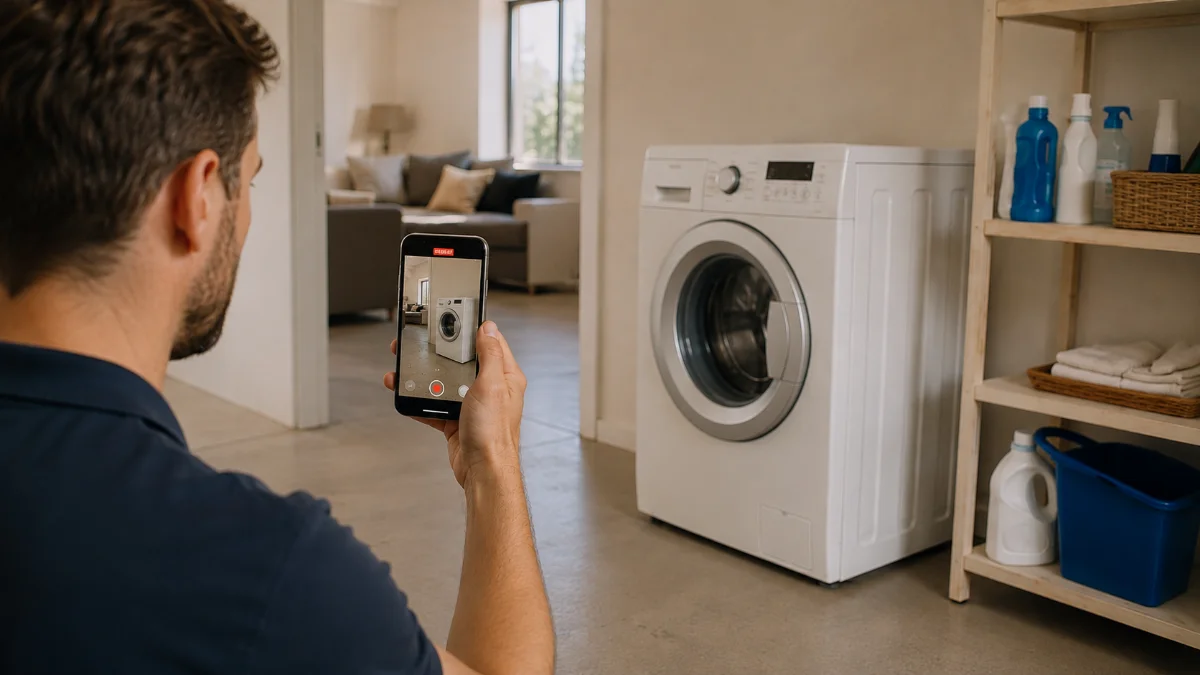
The countermeasures are unglamorous and they work. Ask for an image of the full plate rather than a spoken number, so the desk reads it themselves. Record the serial once, at the moment of product registration or first service, and reuse it. Where the plate is gone, fall back on installation records or the commissioning report before guessing.
Get the serial right and the next step, spare parts identification, becomes mechanical rather than speculative. Get it wrong and everything downstream inherits the error: the wrong part, the wrong warranty decision, and a second visit that nobody needed to make.
In practice: see how customer support teams use Venta Capture by VentaVid.