
Fair wear and tear meaning: the line between normal use and a chargeable defect
Fair wear and tear is the deterioration a vehicle picks up through normal, careful use across a lease term, and it is the standard a lessor measures a returned vehicle against when deciding whether an end-of-contract charge applies. Anything on the wrong side of that line is treated as damage.
For dealerships
See the car before it arrives
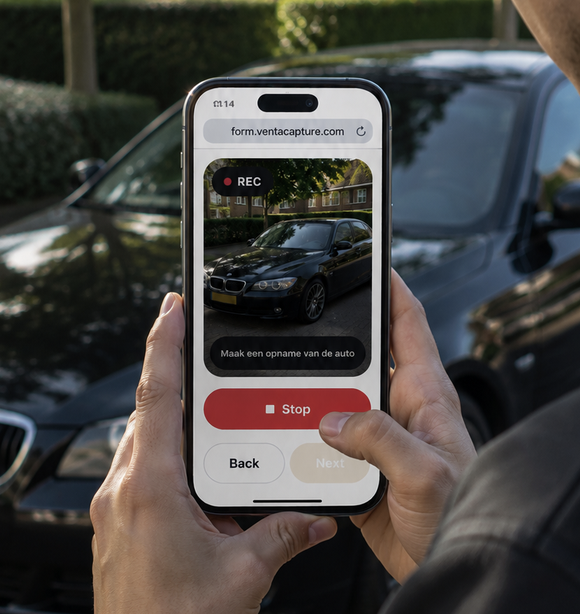
Venta Capture, a product of VentaVid, sends the customer a guided capture link, so appraisals, intake and returns start with the vehicle you can actually see.
The distinction is not cosmetic. It decides who pays, and at defleet it is the single biggest source of argument between fleets and leasing companies.
What does fair wear and tear actually mean?
The BVRLA, the UK trade body for vehicle leasing and rental, defines fair wear and tear as the deterioration that occurs when normal usage ages a vehicle. It separates that from damage, which it describes as the result of "a specific event or series of events such as impact, inappropriate stowing of items, harsh-treatment, negligent acts or omissions".
Read as an operating rule, three tests fall out of that definition:
- Cause: did the condition build up over tens of thousands of miles, or did something happen to the vehicle on a particular day?
- Size and position: a light scuff on a bumper corner is treated differently from the same scuff dragged across a door skin.
- Consequence: anything affecting safety, legality, or structure fails whatever caused it. Cracked panels, illegal tread depth, and a chip in the driver's line of sight through the windscreen are not wear.

How the BVRLA fair wear and tear standard works
In the UK the reference point is the BVRLA Fair Wear and Tear Guide, issued as separate standards for cars, light commercial vehicles, and heavier commercial vehicles. A van that has carried ladders and loose tools for four years cannot sensibly be graded like a company car, so the standards differ by vehicle type. Leasing companies supply the relevant guide to their customers, and inspectors work to it at collection.
The guides get revised as fleets change. The BVRLA refreshed its LCV standard on 16 July 2025, adding that all keys must be present and working, that electric and hybrid vans must come back with damage-free charging cables, that panel cracking or deviation from the original shape is not acceptable, and that wraps and emblems are removed in line with the leasing company's guidance. It also added clearer visual examples of uneven tyre wear.
Be precise about the status of the document. The BVRLA guide is an industry standard, not legislation. It carries weight because most UK lessors adopt it and write it into their documentation, not because it binds anybody on its own.
Fair wear and tear explained: a practical example
A 36-month saloon comes back at 58,000 miles with a scattering of stone chips along the leading edge of the bonnet, a 15mm scuff on the nearside alloy, and a 40mm dent in the driver's door with the paint broken. The chips and the wheel scuff sit inside almost every published standard as normal use at that age and mileage. The dent does not, because broken paint on a body panel points to an impact and carries a repair cost, so it is recharged.
How much fair wear and tear actually costs
Enough to be a line item worth managing. Fleet News research in the 2025 FN50 study of the UK's largest leasing companies put the average end-of-contract fair wear and tear charge on a car at £421, up 14% year on year to a record, with 48% of returned cars attracting a charge. On vans the average was £597, up 9%, across 58% of returns.
The disputes follow the money. The BVRLA reports that 70% of complaints reaching its conciliation service relate to end-of-lease charges the customer believed were fair wear and tear.
Why the standard changes when you cross a border
There is no global fair wear and tear rule, and importing one country's thresholds into another is how fleet managers get caught out. The BVRLA guide is a UK instrument. Other markets run their own conventions, and many run none at all.
In the United States the usual term is "excess wear and use", and the substance is set by each captive finance house or bank rather than by a shared industry guide. Regulation M, the Consumer Leasing Act rule at 12 CFR Part 1013, requires a lessor that sets standards for wear and use to disclose them and to keep them reasonable, which regulates the disclosure without prescribing the thresholds.
So the contract wins in every market. The return standard is whatever the lease document says it is, and the BVRLA guide applies only where the agreement adopts it. If you run vehicles across borders, read the return schedule of each contract instead of carrying one country's rules into another.
What fair wear and tear is confused with
- Fair wear and tear versus excess mileage: excess mileage is a separate contractual charge on a pence-per-mile basis, read off the odometer and unrelated to condition.
- Fair wear and tear versus the auction grade: a condition grade describes a vehicle for buyers in the trade. It does not decide liability under the lease.
- Fair wear and tear versus missing items: absent keys, charging cables, load covers, parcel shelves, and service history are normally charged separately, and none of them is wear.
- Fair wear and tear versus betterment: betterment is an insurance concept covering a repair that leaves an asset improved on its pre-loss state. Different mechanism, different conversation.
Fair wear and tear only becomes real money at the handover. Read it alongside lease return, which is the event where the standard gets applied, end of lease inspection, which is the assessment that produces the charge, and remarketing, where whatever was not recharged turns into a lower sale price. The practical side of documenting condition is covered in lease return inspection.
In practice: see how car dealerships use Venta Capture.