
What is second line support: second line support explained
Second line support is the specialist tier that handles what first line cannot resolve: cases with no documented fix, cases needing elevated access or a system-level change, and cases where the underlying cause has to be investigated rather than looked up. It is a difference of scope and permissions, not of rank.
For field service
Know what the job needs before the van rolls
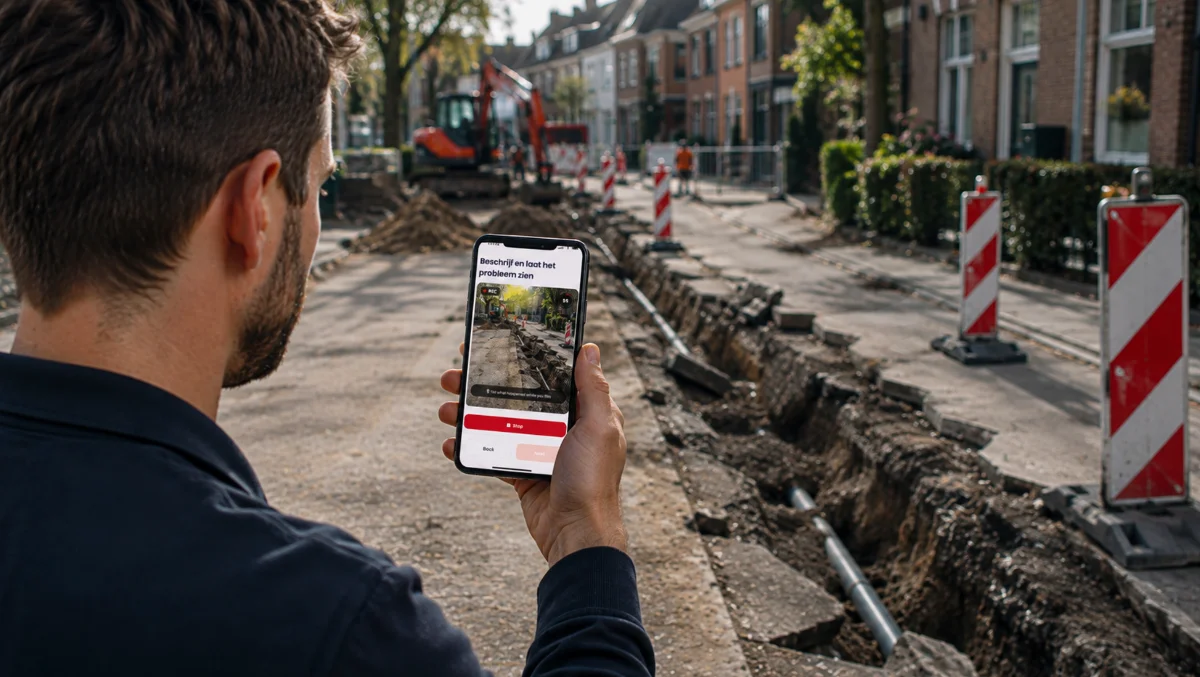
Venta Capture, a product of VentaVid, lets the customer show you the fault first, so the engineer arrives with the right part or does not need to arrive at all.
You will see the same tier written as second-line support, Tier 2, Level 2 (L2), and in IT specifically as desktop support. In field service organisations the equivalent layer is usually the technical support or engineering desk that sits behind the contact centre.
What does second line support do?
- Investigate rather than match. Reproduce the fault, read logs, test in isolation, and work out what is actually happening instead of pattern matching against a known error.
- Act with elevated rights. Server-side changes, configuration edits, database queries, and device-level work that first line deliberately does not have access to.
- Handle the specialised categories. A single application, a hardware line, an integration, or a customer estate that needs continuity of context.
- Feed the knowledge base. Every second line fix that could have been a first line fix should come back as an article, a script, or a permission change.
- Decide the next escalation. Third line, a development team, a vendor, or a field visit.
The fourth point is the one that decays quietly. A second line team that never writes back into the knowledge base guarantees that the same ticket keeps arriving, and the tier model slowly turns into a queue with two waiting rooms.

How second line support differs from first line support
The boundary sits where the documented answer runs out. First line owns what has a known fix, standard permissions, and a repeatable procedure. Second line owns everything past that line.
Four triggers justify the handover, and they should be written down rather than left to judgement:
- No documented resolution path. Nothing in the knowledge base covers the symptom.
- Access is out of scope. The fix needs rights, systems or tooling first line does not hold.
- The handling limit is reached. The agreed first line time box expired without a resolution.
- Severity or risk demands it. Several users affected, data at risk, a regulated process, or a contractual rule on a named account.
Two things stay behind at first line. The ticket, and the customer relationship. Second line resolving the technical problem does not make second line responsible for telling the customer what happened.
What a good escalation arrives with
The quality of the handover decides how much of second line's time is spent investigating and how much is spent asking for information that already existed. A usable escalation carries the exact error text, the affected user and device, when it started, what changed, what has already been tried, and something visual: a screenshot, a recording, or a photo of the equipment and its display.
Escalations that arrive as one sentence and a name are the single largest source of avoidable second line effort in most support organisations.
Second line support: a worked example
A dispatch application is timing out for one branch. First line confirms it is not a known incident, checks connectivity, notes that six users are affected since a Tuesday release, and escalates with the error text and a screen recording.
Second line reproduces it, finds a query timing out against a table that grew after the release, applies an index, and writes the symptom and the interim workaround into the knowledge base so first line can recognise it next time.
How is second line support measured?
- Resolution rate at tier. The share of escalated cases second line closes without passing them on again.
- Escalation quality. The proportion of incoming escalations rejected or returned for missing information. A rising number is a first line problem, not a second line one.
- Time in tier. How long a case sits at second line, tracked separately from the total ticket age.
- Shift-left rate. How many second line resolutions became first line capable in the following quarter. This is the metric that keeps the model healthy.
- Reopen rate. The same honesty check that applies one tier down.
Why every escalation carries a real cost
Cost per ticket climbs steeply with each tier. MetricNet's benchmarking puts the fully loaded figure at roughly 22 US dollars at the service desk, about 70 at desktop support, around 100 at Level 3, about 220 for a field visit, and roughly 600 for vendor support (MetricNet, Metrics Unleashed: Shift-Left).
The tiers stack, too. HDI notes that a ticket logged at Level 1 and then escalated to Level 2 costs 69 dollars plus 22 dollars, a total of 91 (HDI, Metric of the Month: First Level Resolution Rate). That is the argument for shift-left in one line: work resolved a tier lower is not slightly cheaper, it is several times cheaper.
The economics get sharper again where the next step is a visit. Once a case reaches field dispatch, the relevant numbers become the cost of a truck roll and the first time fix rate on arrival.
Where the tier model breaks
- Third line and beyond. Development teams, infrastructure specialists and vendors sit above second line. Long queues here are usually a product problem wearing a support costume.
- Swarming instead of tiers. Some organisations drop tiers and pull the right people onto a case together. Fewer handovers, more coordination cost.
- Second line as a dumping ground. If the escalation triggers are vague, the tier becomes the place tickets go to be someone else's problem.
- Confusing tiers with careers. Second line is a different scope, not a promotion. Treating it as one pushes good agents out of the tier where most of the volume lives.
For the field service equivalent of this decision point, where the escalation is a physical visit rather than a specialist, see remote triage and remote diagnostics in field service.
In practice: see how field service teams use Venta Capture.