
What is a service desk: service desk explained for support operations
A service desk is the single point of contact between a service provider and its users, responsible for capturing every incident, request and question that comes in, resolving what it can at first contact, and routing the rest to the right specialist. It owns the entry point, not just the fixing.
The word desk is misleading. In current practice it is a set of responsibilities spread across several channels, sites and time zones.
What does service desk mean in ITIL 4?
ITIL 4 states the purpose of the service desk practice as "to capture demand for incident resolution and service requests. It should also be the entry point and single point of contact for the service provider for all users."
Three things in that sentence are easy to skim past and worth pulling out.
- Capture demand. The first job is to record what users actually need, accurately and completely. Resolution comes second.
- Incidents and service requests. An incident is something broken, a request is something wanted. Different urgency logic, different approval paths, and treating them as one queue is a classic source of mess.
- All users. Single point of contact means the user never has to work out who to ask.
ITIL 4 also frames the service desk as a practice rather than a function, which is not pedantry. It means the capability can be delivered by a dedicated team, by a shared pool, by automation, or by a mix, and it is not exclusively an IT concept. HR, facilities and finance run service desks on the same logic. ITIL 4 pairs the practice with service empathy, its term for understanding and anticipating the other party's needs well enough to improve the service relationship.

How is a service desk different from a help desk?
The distinction is scope, not quality, and it has a history.
The help desk grew out of 1980s IT support and was built around break/fix. ITIL v2 introduced the service desk in 2001 as a wider function, and that wider definition is what stuck.
- Help desk: incident-led and tactical. Reactive by design. Measured mostly on resolution speed and volume.
- Service desk: the whole demand entry point. Incidents plus service requests, plus access management, plus proactive communication about outages and changes, tied to service level agreements, a knowledge base, and reporting back to service owners.
A help desk is a subset of a service desk, not a lesser version of one. A small organisation running a genuine break/fix desk well is not doing anything wrong.
One honest caveat: the terms are used loosely in the market, plenty of products labelled service desk are help desks with a knowledge article attached, and outside IT the phrase "customer service desk" carries none of this ITIL history. The distinction matters when you are scoping a team or a contract. Correcting someone's vocabulary in a meeting rarely does.
How does a service desk work?
Most desks run a tiered model, and the tiers describe knowledge depth, not seniority or worth.
- Tier 0: self-service. Knowledge base, status page, automated password reset. Contacts that never become tickets.
- Tier 1: generalist agents. Log, classify, prioritise, resolve known issues, escalate the rest. This is where support triage lives.
- Tier 2: specialists with deeper product or system knowledge and wider access rights.
- Tier 3: engineering, the vendor, or the field. Where a fix means changing something, or attending.
The move most desks are trying to make is shift left: push resolution from tier 2 to tier 1, and from tier 1 to self-service, by capturing knowledge the first time something is solved.
Service desk explained: a worked example
A logistics company merges three regional help desks into one service desk. The people do not change. What changes is that requests are separated from incidents, priority is set on impact and urgency rather than arrival order, and every resolved incident writes a knowledge article. Six months later the same headcount handles more volume, because a third of password and access traffic never reaches an agent.
What a service desk is measured on
- First contact resolution: the share of contacts closed during the first interaction. Usually the single biggest driver of how the desk is perceived.
- First level resolution: closed at tier 1 without escalation, whether or not it took one touch.
- Time to first response and time to resolve, reported by priority rather than blended.
- Reopen rate: the guard against closing tickets to protect other numbers.
- Cost per contact, read alongside resolution rate.
- Customer effort score: whether it felt easy from the other side of the ticket.
Two levers on first contact resolution have been measured rather than assumed. In HDI and MetricNet benchmarking analysis published by Jeff Rumburg, support desks using remote control technology ran roughly 10 percentage points higher on first contact resolution than those without it, and desks with mature knowledge-centered service ran roughly 12 points higher than those with none. Tooling and knowledge, not agent effort, explain most of the spread between desks.
Where service desks go wrong
Measuring speed alone. Average handle time as a primary target produces fast closures and repeat contacts, and the repeat contacts are invisible in the number being celebrated.
Letting the queue set priority. First in, first out is fair and it is not correct. Impact and urgency decide.
Treating escalation as failure. A tier 1 agent who escalates in four minutes rather than struggling for forty did the job properly.
Never closing the loop with service owners. A desk that logs 400 tickets a month about one broken process and never reports it upward is absorbing a problem instead of surfacing it.
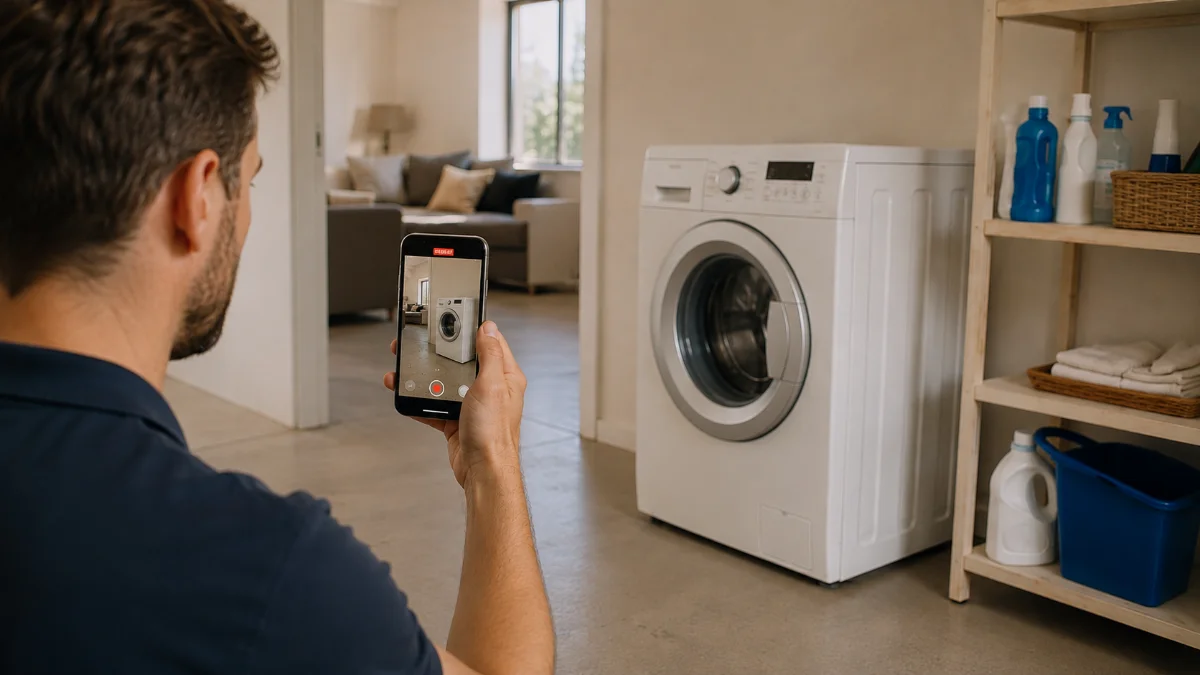
For desks supporting physical products or equipment, the ceiling on first contact resolution is usually not knowledge. It is that the agent cannot see what the customer is describing, which is the constraint behind remote troubleshooting.
In practice: see how customer support teams use Venta Capture by VentaVid.