What is electronic proof of delivery: a digital record captured at the point of handover that shows what was delivered, when, where and to whom, usually with a signature and photographs, in place of a signed paper delivery note.
Electronic proof of delivery, ePOD, is the digital version of the delivery note a recipient used to sign. The driver or courier records the handover on a phone or handheld: time, location, the name or signature of the person accepting, the number of items, and photographs of the goods where they were left. The record goes straight to the carrier's system rather than travelling back in the cab.
The term matters because "we delivered it" is the most contested sentence in logistics. Missing parcels, short deliveries, damaged goods and "left in a safe place" claims all come down to what can be shown about the moment of handover. US carriers say POD or e-POD; UK and Irish operators use ePOD or "digital POD"; in parcel networks the same thing is often called delivery confirmation.
What an ePOD record contains
The exact fields vary by carrier, but a usable ePOD normally holds:
- the consignment or order reference, scanned rather than typed
- the timestamp of the handover, ideally set by the server rather than the device clock
- the location, as GPS coordinates at the moment of capture
- the recipient: a name, a signature on screen, or a photo of the goods at the door where no one is home
- quantity delivered against quantity expected, with any shortages or refusals noted
- photographs of the goods, the packaging and the drop location
- a free-text or spoken note: "left with neighbour at number 12", "pallet damaged on arrival, refused"
The photo has become the load-bearing part. A signature proves someone signed; a GPS-stamped photo of three boxes on a specific doorstep at 14:07 proves considerably more.
How electronic proof of delivery works
The driver's device holds the run and the stops. At each stop the driver scans the label, the recipient signs or the driver photographs the goods in place, the device records time and position, and the record syncs to the transport management system. The customer service desk sees the delivery as complete within minutes, and the invoice can go out on the same day rather than after the paperwork returns.
The weak point in that chain is the device. A courier's own phone with a gallery upload can attach any photo to any stop. Carriers that have lost a dispute over a recycled doorstep photo tend to move to capture inside the process, where the image is taken in the session and cannot be swapped in from a gallery.
ePOD example: a short delivery of white goods
A two-man crew delivers a fridge freezer and a washing machine to a terraced house. The customer later claims the washing machine never arrived. The ePOD shows a scanned reference for both items, a photo of the two appliances in the hallway with the customer's front door visible, a timestamp of 11:42, a location within a few metres of the address, and a name typed by the customer on the screen. The claim closes in one email.
Change one detail and the outcome changes. Had the crew photographed only the fridge freezer, or photographed both appliances still on the tail lift in the street, the carrier would be relying on a signature the customer says is not theirs. The photo requirement in the delivery flow is what makes the record hold.
What ePOD does not do, and the mistakes carriers make
It does not prove the goods were undamaged inside the box. A photo of intact packaging at the door is a statement about the packaging. Concealed damage claims need an unboxing record, which is a separate capture, usually by the customer.
It does not prove who the recipient is. A squiggle on a screen is not identity verification. Where the consignment needs it, the process adds a photo ID check or a one-time code, not a better signature.
The recurring mistakes: a signature and no photo; a photo of the parcel, not the location; the device clock trusted over a server time; drivers uploading photos taken earlier; and no path for the customer to add their own evidence, so a dispute becomes the driver's word against the customer's. The delivery inspection on the receiving side is the mirror image of ePOD, and the two together settle most claims.
Who owns the record and how long it lasts
The carrier holds the ePOD and the shipper relies on it. It is the document that supports the invoice, answers the "where is my order" call, and gets produced when a claim is raised against the carrier's liability. Retention follows the contract and the claims window, which in practice means keeping it long enough to answer a dispute raised months later, with the original file intact.
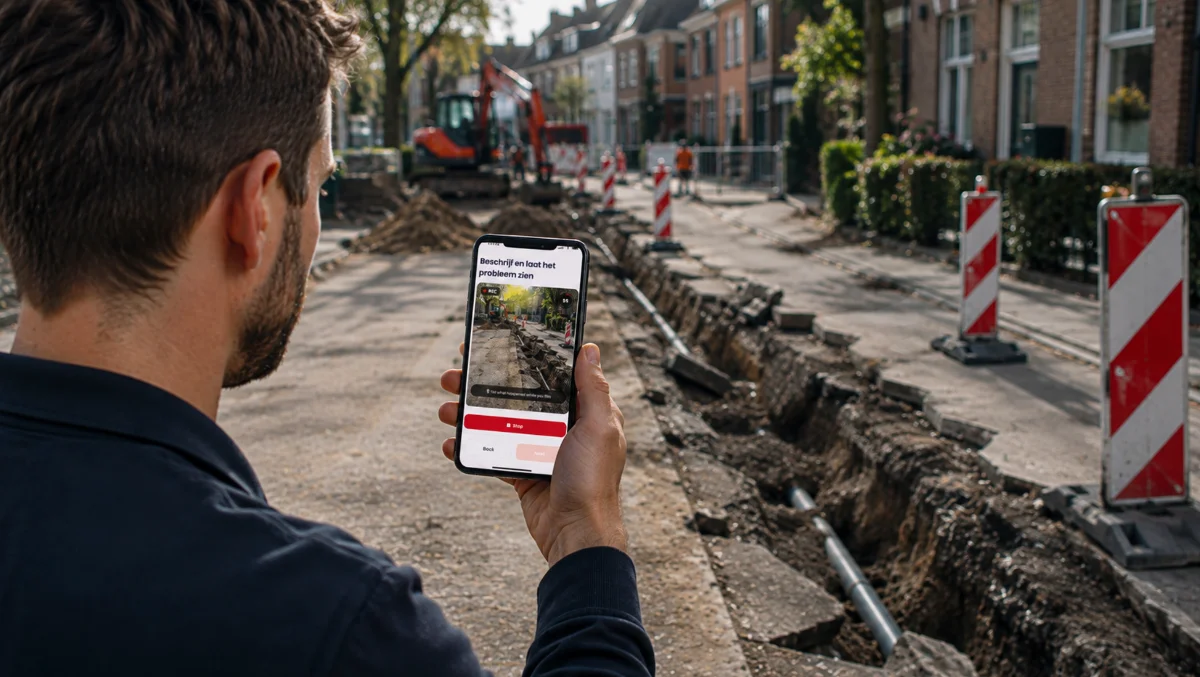
Venta Capture, a product of VentaVid, is used for the delivery moments a standard driver app does not cover: a contractor or subcontracted courier who has no login, or the customer confirming a delivery from their side. The person on site opens a secure, personal capture link or QR code, follows the guided steps in the mobile browser with no app (reference, the goods in place, the drop location, a spoken note), and the submission arrives with the transport desk timestamped, located and sealed, with the capture recorded in the session rather than pulled from a gallery. Details at the Venta Capture page.