
Site acceptance test, defined: the formal, documented test of installed equipment at the buyer's site, run against an agreed protocol, that ends in a punch list and a signed acceptance.
A site acceptance test (SAT) is the formal test of a machine, production line or system after it has been delivered and installed where it will be used. It is run against a protocol both parties approved beforehand, with the buyer's own utilities, materials and operators, to prove the equipment performs to specification in its real environment.
The definition matters because the SAT is the moment responsibility moves. Once the acceptance certificate is signed, the buyer typically releases the final payment, the warranty clock starts and care, custody and control pass from supplier to buyer. Anything not written down at that point is very hard to claim later.
Site acceptance test versus factory acceptance test
The factory acceptance test (FAT) happens at the supplier's works before shipment. It proves the equipment meets the specification in isolation, under conditions the supplier controls. The SAT happens after transport, installation and connection to everything around it. It answers a different question: does the equipment still work, and does it work with our power supply, our compressed air, our upstream conveyor and our people.
The two tests share a structure but not a scope:
- FAT: supplier's site, supplier's utilities, often a simulated feed. Checks build quality, safety functions and performance against the spec sheet.
- SAT: buyer's site, real utilities, real product. Checks that nothing was damaged in transit, that installation and commissioning were completed, and that integration with existing systems holds up over a sustained run.
A clean FAT does not guarantee a clean SAT. Transit damage, a different mains supply or a floor that is not quite level show up only on site.

What a site acceptance test covers
The protocol is agreed before the test, usually as part of the purchase contract, and typically works through:
- Documentation check: drawings, manuals, certificates, the FAT report and the list of open FAT items.
- Visual and installation inspection: physical condition after transport, guarding in place, connections made as drawn.
- Safety functions: emergency stops, light curtains, interlocks and guards tested one by one.
- Functional tests: each operating mode exercised, alarms triggered deliberately, recovery checked.
- Performance run: a sustained run at rated speed or capacity with the buyer's product, measured against the agreed throughput, accuracy or quality figures.
- Operator and maintenance checks: the buyer's staff run the equipment, not the supplier's engineer.
Each step has a pass or fail criterion and a space for the witness to record the result. That record is the acceptance.
The punch list and the sign-off
Every deviation found during the SAT goes on a punch list (in UK construction the same document is called a snagging list). Each item carries a description, a photo or video where possible, an owner and a deadline. Items are usually graded: critical items block acceptance, minor items can be closed after acceptance under a written agreement.
Formal inspection sign-off then happens in one of three ways: full acceptance, conditional acceptance with an agreed punch list, or rejection with a re-test date. Conditional acceptance is the common outcome, and it is also where disputes start, because leverage drops sharply once the invoice is paid. A punch list with a photo of each defect, taken during the test, is what makes the open items enforceable.
Site acceptance test example: a packaging line witnessed remotely
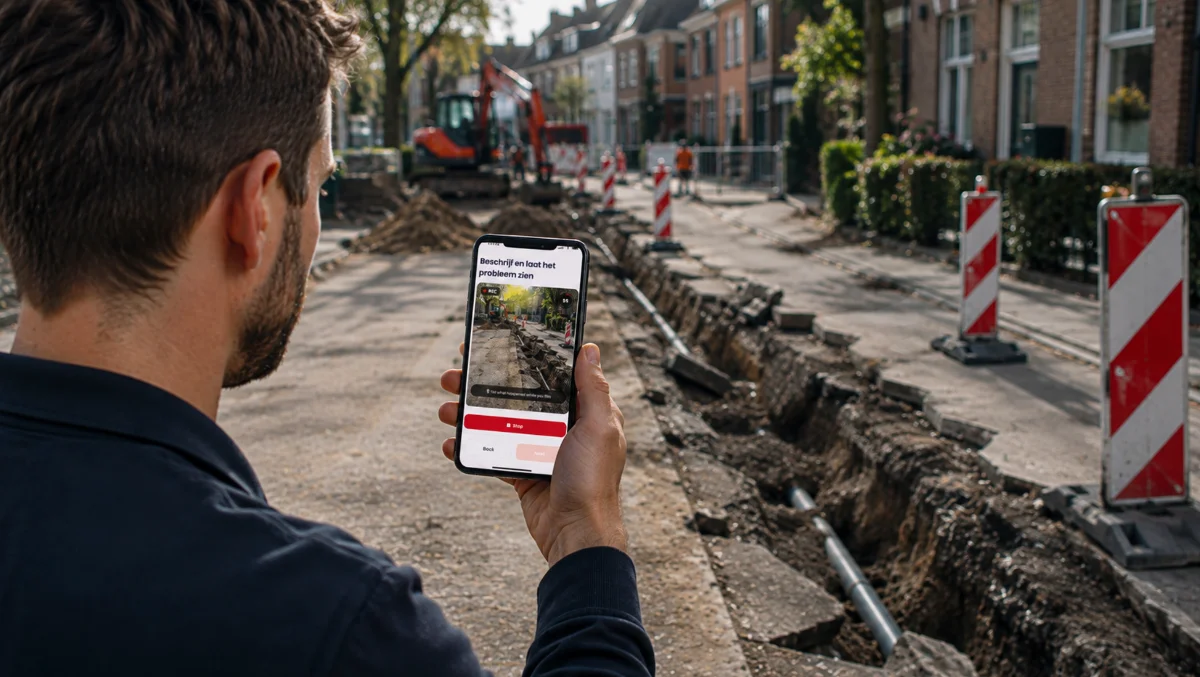
A food producer takes delivery of a case packer for a second site. The supplier's commissioning engineer is on site, but the buyer's project engineer and the supplier's controls specialist are both elsewhere. Instead of delaying the test until everyone can travel, the site team runs the protocol and records the evidence for each step: the emergency stop test on video, the guard interlock test, the rated-speed run with a visible counter, and the labels on every drive and sensor.
The performance run shows the outfeed conveyor stalling every few minutes under full load. That goes on the punch list with a clip of the stall, the fault code on the HMI and the timestamp. The buyer signs a conditional acceptance, the supplier's remote controls specialist diagnoses a parameter mismatch from the footage, and the item is closed with a second recorded run the following day. Both parties hold the same file.
What a site acceptance test does not do, and the mistakes teams make
It does not replace commissioning. Commissioning is the supplier making the equipment work; the SAT is the buyer confirming that it does. Running them as one blurred activity leaves the buyer without an independent record.
The recurring mistakes: signing with an undocumented punch list, accepting verbal promises that open items will be fixed, letting the supplier's engineer operate the equipment during the performance run, skipping the safety function tests because they passed at the FAT, and holding no photographic record of the condition at acceptance, so that later damage cannot be separated from delivery damage.
Where the site acceptance test record goes
The signed protocol, the punch list and the supporting photos and video form part of the equipment's handover documentation and are retained for the life of the asset, alongside the FAT report and later maintenance records. The same structure applies to contractor work generally; see proof of work in field service.
When the people who need to witness a SAT cannot all be in the room, the evidence can be collected by the person who is. Venta Capture, a product of VentaVid, sends the site engineer a secure, personal capture link; they follow the protocol as guided steps in the mobile browser, with no app, recording each test and answering each pass or fail question in order, and the submission arrives timestamped and sealed for the remote parties to review. See Venta Capture for field service.
In practice: see how field service teams use Venta Capture.