
Virtual property inspection, defined: an inspection of a property carried out through video and photos, either on a live call led by the inspector or as a guided self-inspection the occupier completes alone.
A virtual property inspection is any inspection of a home, flat or commercial unit in which the inspector does not attend in person and instead forms a view from video and photographs taken on site. The person on site is usually the tenant, the occupier or a contractor, and the inspector reviews either while the camera is moving or afterwards from the submitted material.
The definition matters because the two models behind the term have very different demands on staff time, notice periods and evidence quality, and lettings teams often buy one thinking they are getting the other.
Inspector-led video call versus tenant self-inspection
The general term for the whole category is remote inspection. Within property there are two ways to run it:
- Inspector-led video call: the tenant joins a call at an agreed time and moves the camera while the inspector directs them room by room. This is the model most people mean by a virtual inspection. It keeps the inspector's judgement in the room, and it still needs a diary slot for both parties.
- Tenant self-inspection: the tenant is sent a link and records the required rooms and details, guided step by step, whenever suits them. The inspector reviews later. This is the property version of a self service inspection, and in the US the same thing is often called a resident-led inspection.
The difference shows up at scale. A hundred video-call inspections need a hundred appointments. A hundred self-inspections need a hundred links sent and a review queue worked when the team has time.
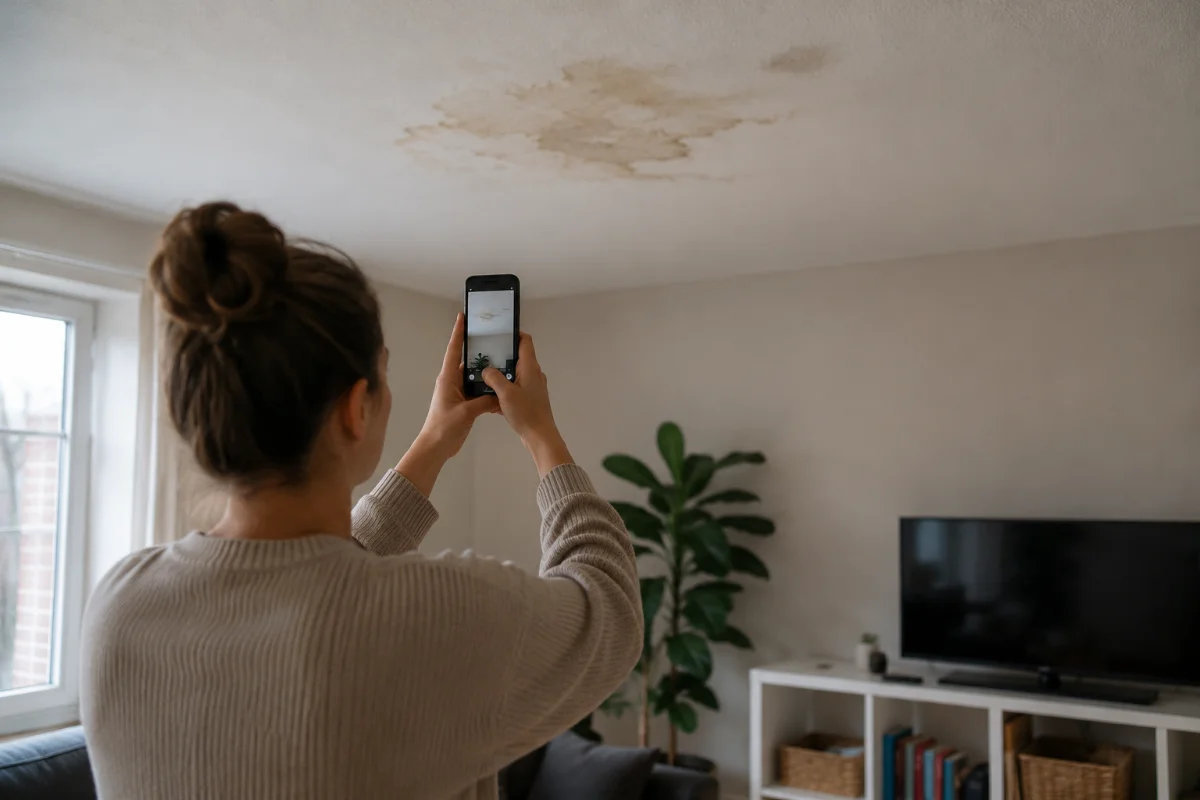
What a virtual property inspection covers
The same things a physical visit covers, within the limits of a phone camera: general condition of each room, walls and ceilings for damp and mould, windows and trickle vents, extractor fans, smoke and carbon monoxide alarms (the tenant presses the test button on camera), kitchen and bathroom sealant, meter readings, the garden and any outbuildings, and any damage the tenant wants recorded. For a mid term inspection the aim is to spot problems early; for a check in report or check-out the aim is a dated condition record both parties can rely on. UK lettings use check-in and check-out; North America says move-in and move-out.
Virtual property inspection example: a six-month check on a first-floor flat
A letting agent runs mid-tenancy inspections on a portfolio of flats. Instead of booking a Wednesday of visits, the agent sends each tenant a link a week before the due date. One tenant records the flat on a Sunday evening: each room in turn, the bathroom ceiling, the extractor running, the alarm test, the boiler pressure gauge. The bathroom clip shows black spotting on the ceiling above the shower and the extractor turning but barely pulling air. The reviewer marks the case for a contractor, attaches the clip to the job, and the fan is replaced the following week with the mould treated at the same visit. The dated record sits on the tenancy file if the condition of that ceiling is ever disputed at check-out.
What it does not do, and the mistakes teams make
It does not replace a competent-person survey. Damp meter readings, gas safety checks, electrical testing and anything needing an instrument still need a professional on site. Virtual inspections triage; they do not certify.
It does not remove notice and consent. The tenant is still entitled to notice and can still decline. A self-inspection is easier to agree to than a visit, which is usually the point, but it is a request, not an instruction.
It does not see what the camera is not pointed at. A tenant can frame around a problem. Guided steps that ask for specific angles (the corner behind the bed, inside the under-sink cupboard) reduce this, and an inspector-led call reduces it further. Neither eliminates it.
The recurring mistakes: sending an unguided "please send us a video of the flat" request and getting ninety seconds of hallway; running video calls for routine checks where a self-inspection would do, so the team's capacity is capped by its diary; accepting photos forwarded through a messaging app, which strips the capture metadata; and treating the tenant's phone clock as the date of record.
Where the record goes
The footage, the answers, the receipt time and the reviewer's notes belong on the tenancy file as one dated case, alongside the inventory and the previous property inspection. For the wider process, see remote property inspection.
Venta Capture, a product of VentaVid, runs the self-inspection model: the tenant is sent a link, follows guided steps in the mobile browser with no app, records each room with a spoken explanation, and the submission arrives timestamped and sealed for the inspector to review and route. More at the Venta Capture pages.
In practice: see how insurers use Venta Capture for remote claim inspection.