
Synthetic media, defined: what the term covers and how it differs from an edited real file
Synthetic media is any content produced or substantially altered by artificial intelligence rather than recorded from the physical world, covering generated images, video, audio and documents. Its defining property in an investigation is the absence of a real-world original behind the file.
The term is broader than deepfake. A deepfake is one kind of synthetic media, usually meaning a person's face or voice convincingly replaced or fabricated. Generated damage photos, invented receipts and cloned voices on an intake call all sit under the same umbrella.
What does synthetic media mean next to a shallowfake?
Origin is the test, and it decides which detection approach has any chance of working.
- Synthetic media: no genuine original exists. The image came out of a model. See deepfake for the person-focused subset.
- Shallowfake: a real file altered with ordinary editing tools. Most of the pixels are authentic. See shallowfake.
- Volume: the edited real file remains the everyday submission, because it takes a phone and five minutes.
- Tells: generation artefacts and impossible physics point at synthetic media. Edit residue, metadata gaps and image reuse point at shallowfakes. A tool tuned for one will pass the other straight through.
Getting this distinction right is operational, not academic. A counter-fraud team that buys deepfake detection and assumes it covers manipulated evidence has defended against the rarer of the two.
Where synthetic media turns up in a claim file
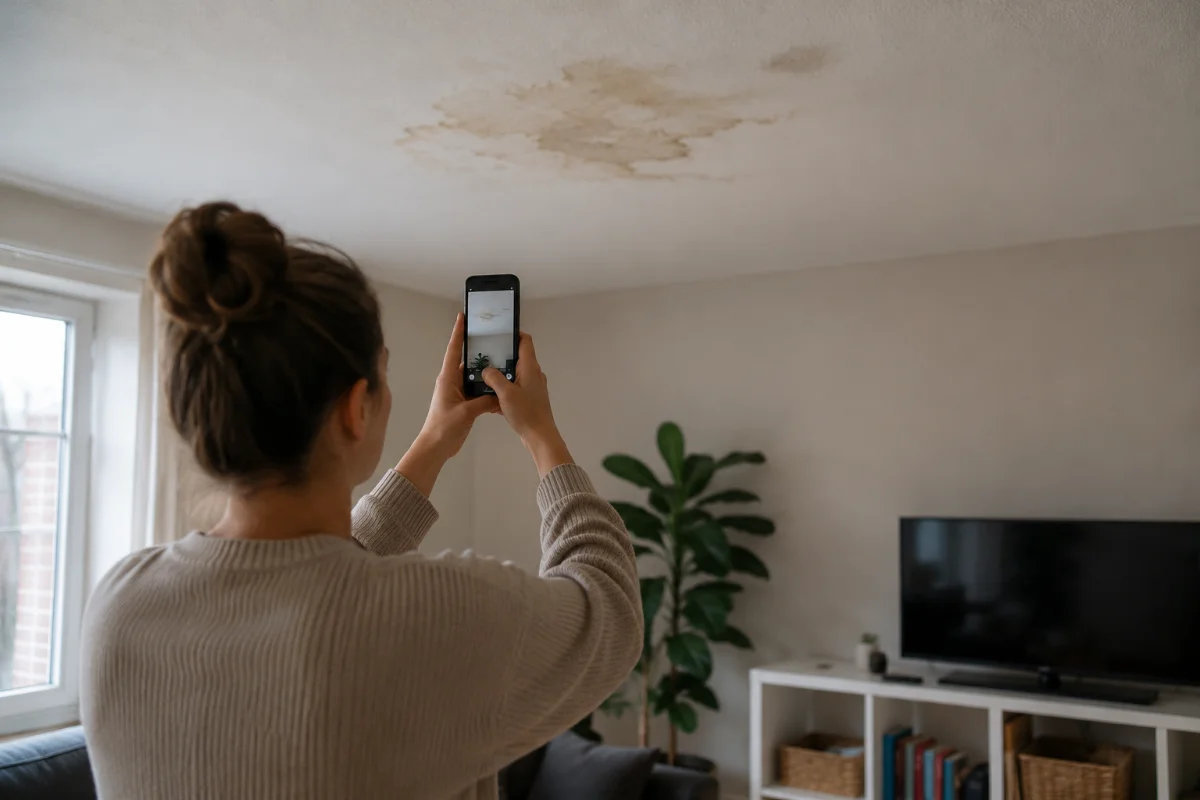
- Damage imagery: a generated photo of a vehicle, roof, phone screen or appliance in a state it was never in.
- Proof of ownership: images of high-value items that were never owned, produced to support a theft or loss claim.
- Documents: receipts, valuations, invoices, medical letters and repair estimates generated to order from a text prompt.
- Scene context: an entire collision setting, with plausible weather, road surface and debris.
- Voice and identity: cloned audio on intake calls, and synthetic identity documents at policy inception rather than at claim stage.
What the reported numbers show, and what they don't
Admiral detected £86.8 million of fraudulent motor, home and travel claims in 2025, a 71% rise on the £50.9 million detected in 2024, and linked part of that increase to easier access to AI tools that alter images and produce documents that never existed. Aviva reported more than 18,400 suspicious claims worth £233 million across its brands in 2025, and said a growing number were supported by AI-generated images and manipulated documents, mostly in motor.
Read those as detection figures. A rise in detected fraud reflects more fraud and better detection at the same time, and no published number describes what was never caught. Anyone quoting these as a measure of the synthetic media problem is quoting the wrong thing. The wider picture is in AI-generated insurance fraud.
Synthetic media explained: a proof-of-ownership example
A theft claim arrives for a high-value watch. The supporting evidence is a clean photograph of the watch on a kitchen table and a purchase receipt from a named retailer, both attached to an email.
Neither file has an original. A reverse image search returns nothing, because the image never existed before the prompt that made it. The check that eventually breaks the claim is not a detector. It is the retailer confirming the receipt number was never issued.
Why detection alone is a losing position
Synthetic media detectors return probabilities, and those probabilities shift every time generation models change. Published detection methods become the training target for the next generation of tools, so accuracy measured on last year's images is a poor guide to this year's. A negative result from a detector is not proof a file is genuine, and a positive one is not proof it is fake.
- Treat scores as reasons to look: a flagged file earns a closer review, not an automatic decline. Genuine claimants trip technical signals for ordinary reasons.
- Keep the human decision-maker central: the investigator weighs evidence, context and history. A classifier does not settle a claim, and under a claimant's right to explanation you may have to say in plain words why the file was flagged.
- Verify outside the file: retailer records, DVLA and write-off data, repairer confirmation and weather archives are all harder to fabricate than an image.
- Do not over-read forensic tooling: the limits are set out in image forensics.
Provenance as the durable answer
The more resistant approach asks where a file came from rather than whether it looks generated. Content provenance standards attach a cryptographically signed record of origin and edit history at the point of capture, and camera makers have begun signing in hardware. Leica's M11-P, released in October 2023, was the first consumer camera to ship with it built in.
The same logic applies inside a claims process. Evidence recorded live inside a controlled capture flow, with a server-side receipt time and a cryptographic hash, gives a reviewer something checkable months later. An emailed attachment gives them a file and a hope.
Two cautions to carry with that. A receipt timestamp proves when your organisation received the submission, not when the loss occurred, and overstating it loses arguments you should win. And provenance does not make deception impossible: a genuine live recording can still show a staged scene, an unrelated vehicle, or a frame with all the useful context cropped out. Harder to manipulate is not the same as impossible to deceive.
In practice: see how insurers use Venta Capture by VentaVid for remote claim inspection.