
What is a repeat visit: repeat visits explained
A repeat visit is a return trip to a job that the first visit failed to close. The engineer attended, diagnosed, and left without resolving the issue, so a second appointment gets booked for work that was already scoped, already travelled to, and already scheduled once.
For field service
Know what the job needs before the van rolls
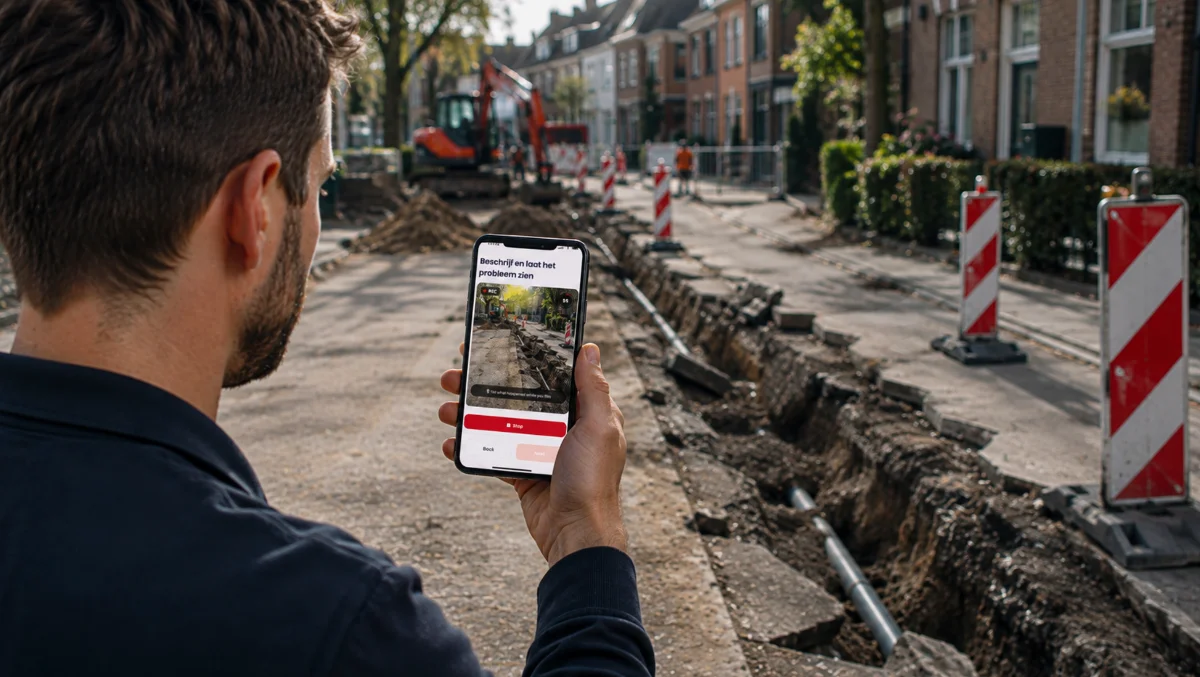
Venta Capture, a product of VentaVid, lets the customer show you the fault first, so the engineer arrives with the right part or does not need to arrive at all.
You will see it written as repeat visit, return visit, second visit, revisit or callback. Callback usually carries a narrower sense (the customer called you back because the fix did not hold), so decide which of the two your reporting counts before you compare numbers with anyone.
What does a repeat visit mean in practice?
The repeat visit is the failure mode that first-time fix rate exists to measure. Every job needing a second trip is a job that did not fix first time, so the two figures are mirror images of each other.
What the metric hides is that a repeat visit costs a great deal more than the labour hour written against it:
- A second truck roll. Travel, fuel, and a slot that could have carried new revenue. The practical levers are covered in reducing truck rolls.
- A longer outage. The customer counts days without the asset, not visits.
- Scheduling drag. Rebooked work competes with new work, so the backlog grows from the middle.
- Trust. In Aberdeen Group's March 2016 report First-Time Fix: A Metric That Drives Success, 61 percent of respondents named "technician did not resolve the issue (parts, expertise)" as the top driver of customer complaints about field service, ahead of waiting time for appointments at 51 percent and late arrival at 41 percent (n = 182).

Why do repeat visits happen?
Trace a month of them and the same chain shows up. The job was booked from a symptom description over the phone. Nobody confirmed the model, the serial, or the failed component before the van left. The engineer arrived, identified the fault correctly inside half an hour, then could not finish, because the part was not in the vehicle.
That chain has two links worth naming separately, because they are fixed by different people:
- Parts availability is whether your organisation can put the right part in front of the job at all, anywhere in the supply chain.
- Van stock is whether it was physically in that vehicle that morning. This is the availability that actually decides the visit, and it is the one most operations measure least.
The other causes are real but smaller: the wrong skill was dispatched, the site was not ready, no permit or isolation was in place, the job was underestimated on time, or what the customer described to the contact centre never reached the engineer.
A repeat visit explained: a worked example
A catering engineer attends a fryer fault on Tuesday. The control thermostat has failed. The van carries three thermostats, none of them for this model, so the job is closed as parts to order and rebooked for Friday. The customer loses three trading days on that fryer, and the operation spends two visits, two travel legs and two diary slots to earn one job's revenue.
How is the repeat visit rate calculated?
Repeat visits divided by total visits, or jobs needing a repeat visit divided by total jobs. Both are used. They give different answers, and a handful of three-visit jobs will distort the per-visit version badly, so pick one, write the definition down, and keep it.
Two traps flatter the number without changing anything on the ground:
- Rebooking as a new work order. If the return trip is raised as fresh work rather than linked to the original job, it disappears from the metric entirely.
- A short measurement window. Count over seven days and a return trip in week three lands outside the reporting period. Longer windows are less comfortable and more honest.
What a repeat visit is commonly confused with
- A truck roll is any dispatch of an engineer. A repeat visit is a specific truck roll: the avoidable second one.
- A callback is usually a return because the repair failed, not because it was never completed. Different root cause, different fix.
- A planned follow-up is scheduled deliberately, for example a second-stage installation. Counting those as repeat visits will make a well-run team look bad.
Almost every one of these is decided before anyone gets in a van, which is why pre-visit assessment and remote diagnostics move the number further than anything you can change on site. Both need somebody to see the equipment first. Venta Capture, a product of VentaVid, covers that with guided capture: you send a link, the person already on site records the rating plate, the error code and the specific views your team asks for, and a specialist reads the case before the job is scheduled and the van is picked. It does not diagnose the fault. It means the part loaded that morning was chosen against something real instead of a phone description. Venta Capture reports 23 percent of customer problems solved without dispatching a technician on its customer support page, which is the vendor's own reported outcome rather than an industry benchmark.
In practice: see how field service teams use Venta Capture.